
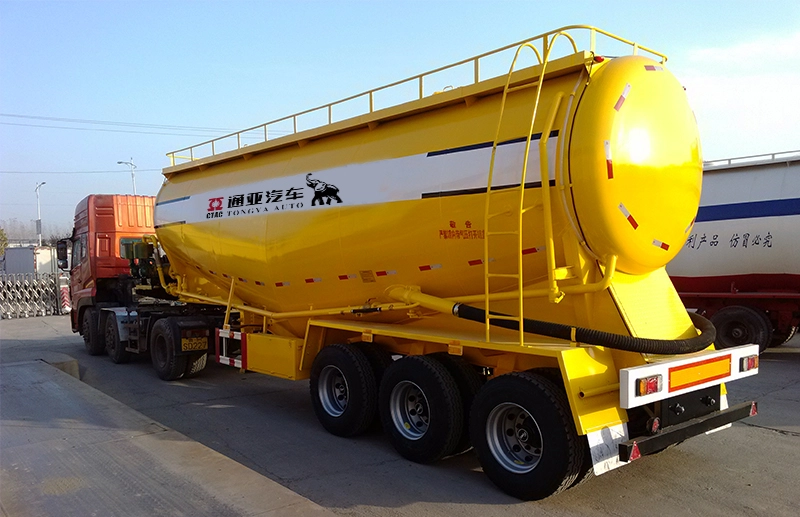
Cement Tank Trailer
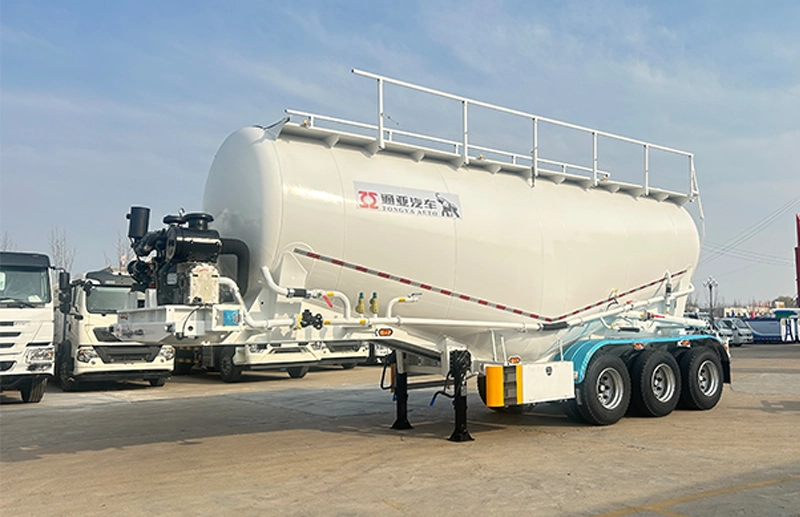
A Cement Tank Trailer is a specialized vehicle designed for the pneumatic transport of dry bulk cement. Its integrated pneumatic system enables quick and clean loading and unloading by using compressed air to fluidize the cement, significantly reducing turnaround time and operational costs. The sealed tank ensures the cement is protected from moisture and contaminants during transit.
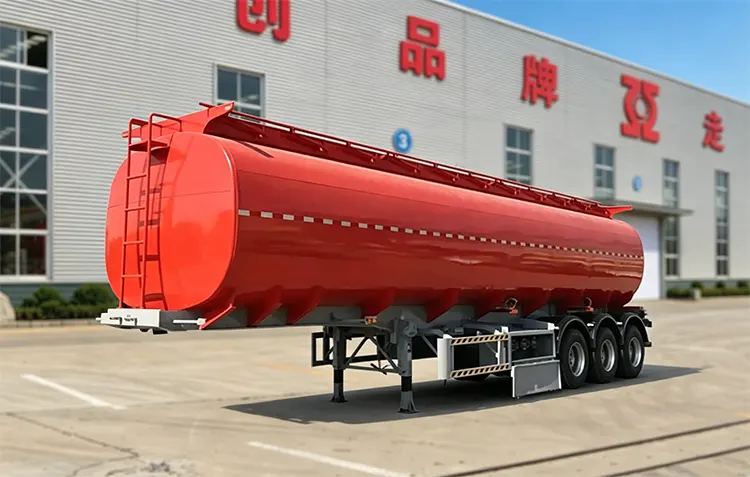
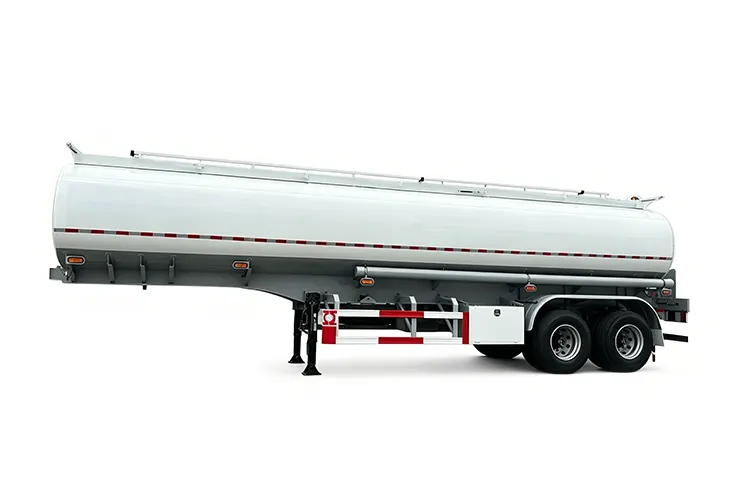
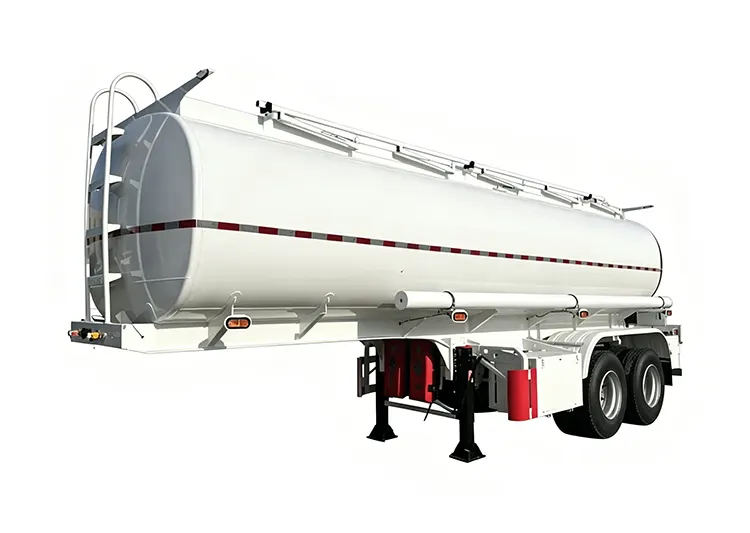
While a Cement Tank Trailer handles dry powders, other designs like the fuel tank trailer are engineered for liquid cargo. Built from robust aluminum or steel, these trailers come in various capacities to meet different hauling needs. This versatility in design, applicable to both a cement and a fuel tanker trailer, highlights the efficiency of modern bulk logistics solutions.
Purchasing a cement tank trailer is a significant investment decision. Whether you’re in the construction industry, transporting ready-mix concrete, or starting your own business, choosing the right cement tank trailer is crucial. It directly impacts your operational efficiency, safety, and ultimately, your bottom line. With so many brands and models on the market, how do you make an informed choice?
This guide will comprehensively analyze all key factors to consider when buying a cement tank trailer, helping you find the perfect equipment that best matches your business needs.
Ugandan Customer Purchases 2 Units Tongya Fuel Tanker Semi Trailer
Tongya Auto reached a formal cooperation with a well-established fuel logistics company based in Kampala, Uganda, who purchased 2 units of Tongya Fuel Tanker Semi Trailer to expand its cross-regional fuel distribution fleet covering both urban gas stations and remote rural outlets. The customer found Tongya through Google search, spent two months comparing product configurations, real export cases and after-sales policies among 5 suppliers, and finally confirmed the order completely via WhatsApp and remote video communication without visiting the factory. This is the customer’s first cooperation with Tongya, and also marks further expansion of Tongya’s market layout in the East…
Zambian Customer Orders 3 Units Tongya 3 Axle Oil Tanker Trailer
Recently, Tongya Auto signed a formal purchase contract with a reputable cross-border fuel logistics company in Zambia, who ordered 3 units of 3 Axle Oil Tanker Trailer to upgrade their regional transport fleet. This is the second bulk order from this customer in 2026, following their successful purchase of 2 units of Tongya fuel tankers last year. All technical discussions, price negotiations and contract signing were completed remotely via WhatsApp and video calls, fully demonstrating the high recognition of Tongya’s product quality and professional service in the Southern African market. Our 3 Axle Oil Tanker Trailer is a best-selling model…
Tanzanian Customer Purchases 2 Units Tongya Aluminum Fuel Tanker Trailer
Recently, Tongya successfully delivered 2 units of Tongya Aluminum Fuel Tanker Trailer to a leading fuel distribution company in Dar es Salaam, Tanzania. This marks the first time the customer has upgraded their fleet to aluminum alloy tankers, replacing their aging steel tankers that had been plagued by corrosion and low payload efficiency. After a 4-month technical evaluation and comparison of 5 international suppliers, the customer chose Tongya for our superior aluminum manufacturing technology and deep understanding of East African transportation challenges. All negotiations and order procedures were completed remotely via video calls and WhatsApp, demonstrating the high trust Tanzanian…
Congo Customer Orders 3 Units Tongya Crude Oil Tanker Trailer
Tongya signed a formal purchase agreement with a professional crude oil logistics company in the Republic of Congo, who ordered 3 units of Tongya Crude Oil Tanker Trailer for crude oil haulage between inland oil fields and coastal refineries. This is the first batch of orders from this customer, who chose Tongya after a 3-month comprehensive comparison of 6 domestic and international trailer manufacturers. All negotiations, technical exchanges and contract signing were completed remotely via video conference and WhatsApp, fully reflecting the customer’s recognition of Tongya’s professional strength in crude oil transport equipment. Our Tongya Crude Oil Tanker Trailer is…
35000L fuel tanker trailer for sale
Looking for a tough, leak-proof 35000L fuel tanker trailer for sale that survives rough African and Southeast Asian roads? Tongya, China’s trusted trailer maker since 1982. Overall (L*W*H) 11200*2500*4000 mm Tare Weight 35000L Shape Square Circular shape Axle 3 Axle, 13T/16T Tire Number 12-24 Color Customized If you’ve ever wasted a full day fixing a broken fuel trailer in the middle of nowhere, or lost thousands because a cheap tanker started leaking after 6 months, you know how important it is to pick the right manufacturer. Our 35000L fuel tanker trailer for sale is built exactly for businesses in Africa…
30000L fuel tank trailer for sale
Looking for a tough, reliable 30000L fuel tank trailer for sale that handles rough African and Southeast Asian roads? Tongya, China’s top trailer maker since 1982, builds leak-proof, customizable fuel tankers with fast delivery and 24/7 support. Overall (L*W*H) 10500*2500*3900 mm Tare Weight 30000L Shape Square Circular shape Axle 3 Axle, 13T/16T Tire Number 12-24 Color Customized If you’re looking for a hard-wearing, no-surprise 30000L fuel tank trailer for sale that won’t break down on dirt roads or leak fuel mid-delivery, you’re in the right place. Tongya Automobile has been building semi trailers in Shandong, China since 1982. We’ve been…
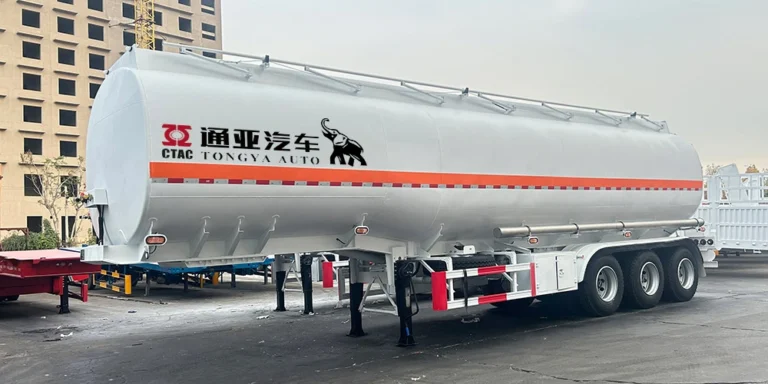
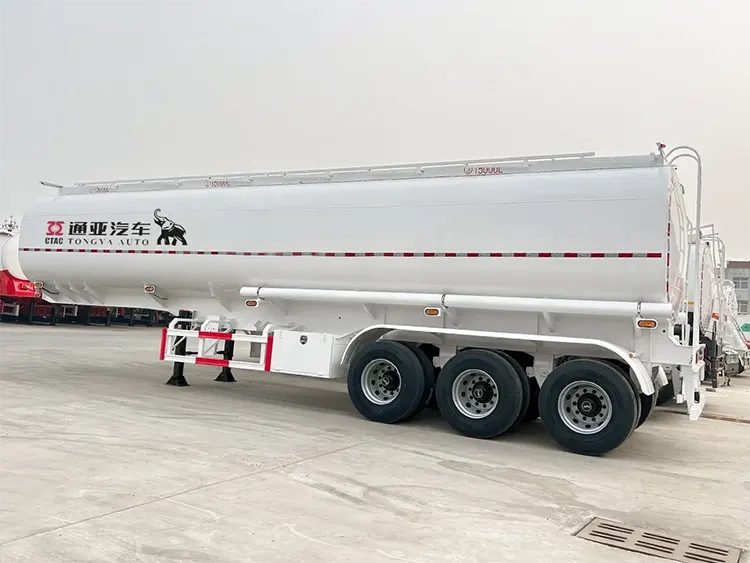
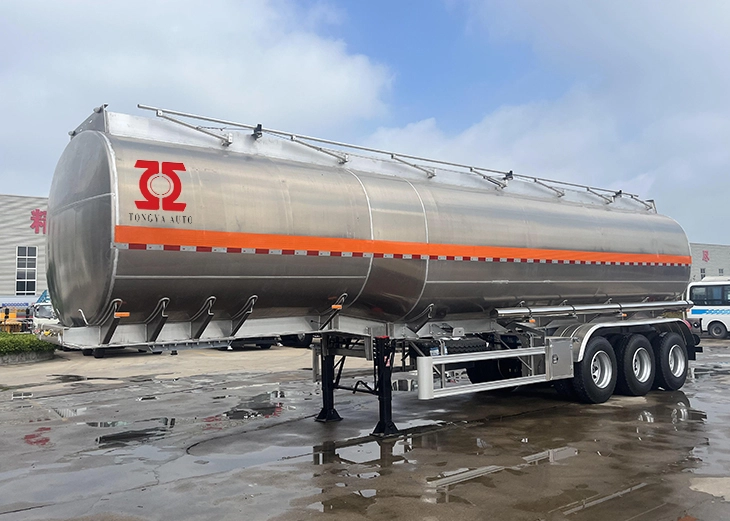
8 Core Factors to Consider Before Buying a Cement Tank Trailer
- Determine Tank Capacity and Vehicle Type
Tank capacity is the primary deciding factor, determining both the volume transported per trip and your operational efficiency.
Small Mixer Trucks (Typically ≤ 8 m³): Ideal for short-distance urban transport, small construction sites, or areas with narrow roads, offering high maneuverability.
Medium Mixer Trucks (8 m³ – 12 m³): The most common versatile model, balancing payload capacity, efficiency, and regulatory compliance, suitable for most regional transport operations.
Large Tankers (≥ 12 cubic meters):
Ideal for long-haul trunk line transport or large-scale construction projects, but impose higher demands on towing vehicles, driver qualifications, and road regulations.
Important Note: Always consider the vehicle’s gross weight limit (e.g., 31-ton or 49-ton policy regulations). . Larger tank volumes increase curb weight; ensure maximum profitability within legal load limits. - Selecting Chassis Brand and Performance
The chassis is the backbone of a tanker truck; its reliability determines uptime and maintenance costs.
Brand Selection: Domestic mainstream brands like FAW, Sinotruk, Shacman, Dongfeng, and Foton offer mature product lines. Consider local service network density and parts supply speed.
Powertrain: Select appropriate engine horsepower and transmission combinations based on operating terrain (plains, mountains). Higher horsepower and retarder systems are recommended for mountainous regions.
Drive Configuration: Common configurations like 6×4 or 8×4 affect payload capacity and off-road capability. - Core Components: Tank Body and Materials
The tank body directly contacts the material, with its quality and design impacting service life and unloading efficiency.
Material: High-strength wear-resistant steel plates are mainstream. Plate thickness and abrasion resistance directly affect wear resistance and service life.
Design: An excellent tank employs fluid dynamics design with scientifically angled internal blades (spiral grooves). This ensures smooth loading while achieving low residual rates (cleaner unloading, less waste).
Sealing: The integrity of the tank and its inlet/outlet seals is critical for preventing cement degradation and maintaining quality. - Power Source: Power Take-Off (PTO) and Hydraulic System
This forms the “heart” of the mixer truck, providing power for agitation and discharge.
Power Take-Off (PTO): Connects to the engine to transmit power to the hydraulic pump. Its reliability and compatibility with the chassis engine are paramount.
Hydraulic System: Includes hydraulic pumps, motors, and control systems. Prioritize internationally renowned brands (e.g., Eaton, Rexroth) or top domestic brands. Though slightly higher in unit cost, they offer superior stability, efficiency, and noise control, significantly reducing failure rates.
Speed Control: Hydraulic systems with stepless speed regulation better adapt to varying operating conditions. - Operational Efficiency: Discharge Speed and Residual Rate
These metrics directly impact your transport trips and customer satisfaction.
Unloading Speed: Typically measured in “cubic meters per minute.” Faster speeds reduce waiting times and enhance efficiency. This is directly influenced by hydraulic system power and tank design.
Residue Rate: Refers to the proportion of material remaining in the tank after unloading. A lower residue rate minimizes waste and maximizes profitability. High-quality tanks can achieve residue rates below 0.5%. - Safety and Compliance
Safety is always paramount.
Safety: Ensure vehicles are equipped with ABS anti-lock braking systems, emergency shut-off devices, and side/rear protection. Tank trucks have a high center of gravity during operation, making robust braking and stability systems essential for safety.
Compliance: Vehicles must meet national standards like GB1589 for road vehicle dimensions, axle loads, and weight limits, and be eligible for registration. Verify complete vehicle announcements and environmental compliance documentation before purchase. - New vs. Used Tank Trucks
This is a trade-off between budget and risk.
New Trucks: Advantages include zero wear, cutting-edge technology, full warranty coverage, and low initial failure rates. Disadvantage: substantial upfront investment.
Used Tank Trucks: Advantages include lower initial cost and faster return on investment. Disadvantages: uncertain vehicle condition, potential hidden faults, severe tank wear, reduced efficiency, and no warranty.
Recommendation: When purchasing used tank trucks, hire professional technicians to thoroughly inspect the chassis, internal tank wear, and hydraulic system functionality. Verify the vehicle’s operational history. - Manufacturers and After-Sales Service
Selecting a reliable manufacturer is more critical than solely comparing prices.
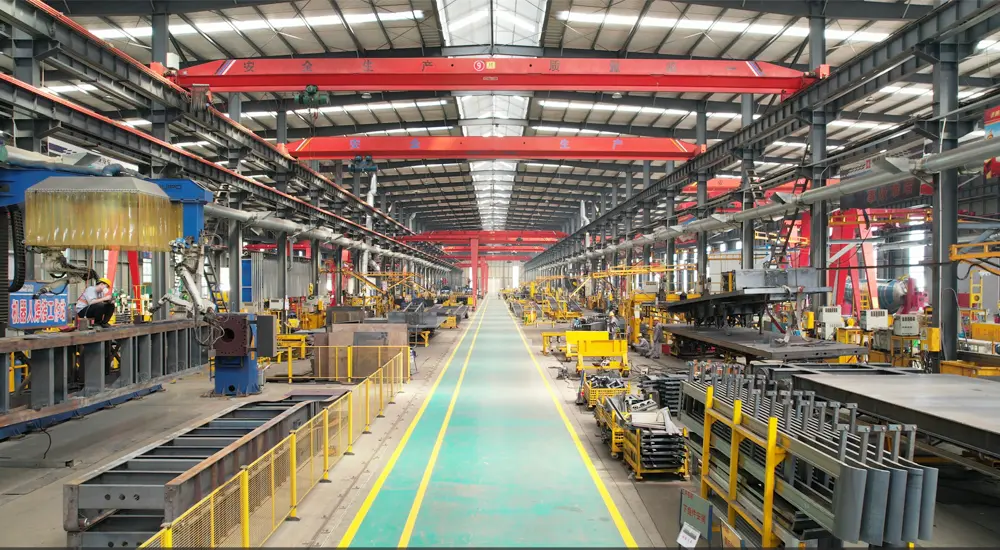
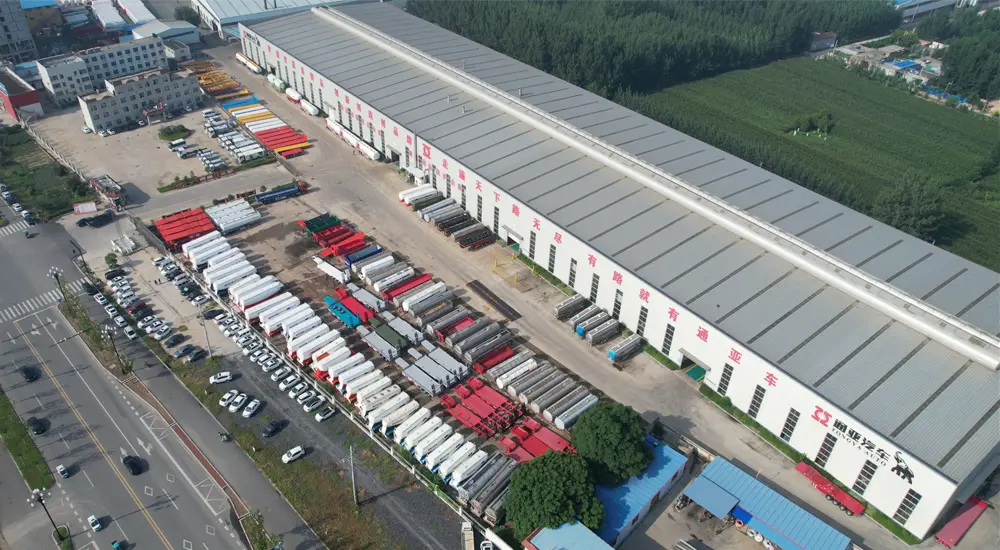
Manufacturer Credentials: Choose qualified, experienced specialized vehicle conversion manufacturers with deeper expertise in chassis modifications and tank fabrication.
After-Sales Service: Inquire about the manufacturer’s or dealer’s service network coverage within your operational area, spare parts availability, and emergency response speed. Robust after-sales support minimizes vehicle downtime.
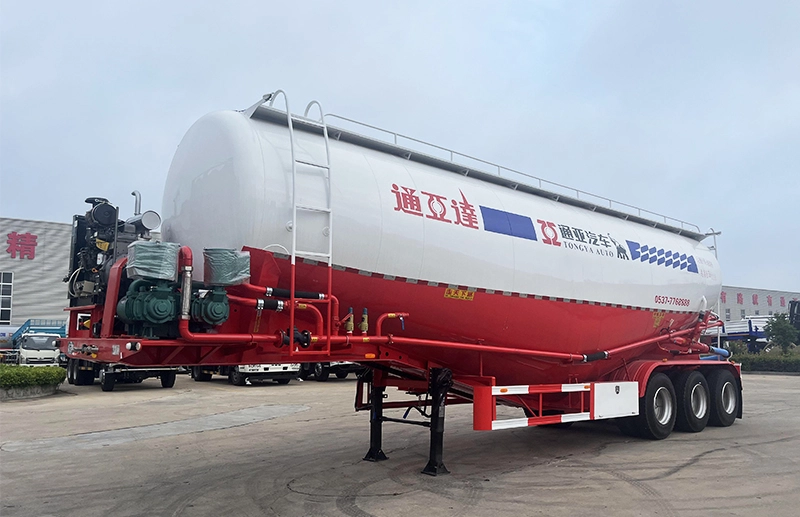
Cement Tank Trailer Ultimate Purchase Checklist
- Define Requirements: Analyze business scope, transport distances, typical volumes, road conditions, and budget.
- Set Budget: Determine total acquisition costs, including vehicle price, insurance, registration fees, etc.
- Research: Study major chassis and modification brands, review documentation, and consult industry reputation.
- Contact Suppliers: Reach out to multiple dealers or directly contact manufacturers to obtain detailed configuration quotations.
- Compare Specifications: Meticulously evaluate the eight key factors, particularly core component brands and models such as chassis, hydraulic systems, and tank materials.
- On-site Inspection and Test Drive: If possible, visit the vehicle in person, take a test drive, and examine the workmanship.
- Confirm Contract and After-Sales Service: Clearly specify vehicle configuration, delivery timeline, payment terms, and warranty conditions in the contract.
- Acceptance and Registration: Upon pickup, thoroughly verify the vehicle matches the contracted specifications and assist with registration procedures.
Purchasing a cement tank trailer is a systematic process that requires comprehensive consideration of performance, efficiency, cost, and after-sales service. Avoid focusing solely on price while neglecting long-term operational reliability and economic viability. Careful upfront planning and selection will deliver sustained, stable returns for your business.
Seeking a reliable cement transport solution for your project? Contact us for a free professional consultation and customized quote. We’ll match you with the most suitable vehicle configuration to help your business get off to a solid start!
Frequently Asked Questions (FAQ)
Q: What driver’s license is typically required to operate a cement tank trailer?
A: Depending on the Gross Vehicle Weight (GVW), a Class B2 or Class A2 license is generally required. Specific requirements are listed on the vehicle registration certificate under “Authorized Vehicle Types.”
Q: What are the key points for daily maintenance of cement tankers?
A: Focus on keeping the tank interior dry. After each use, unload materials completely and blow-clean the tank to prevent cement caking. Regularly check hydraulic oil levels and quality. Tighten screws on rotating components.
Q: What is the typical service life of the tank?
A: This depends on usage frequency, material abrasiveness, and maintenance practices. A well-manufactured and properly maintained tank can last over 10 years.
Q: Can different types of cement be transported?
A: Yes, but the tank must be thoroughly cleaned before transporting different grades or types to prevent contamination and quality issues.