
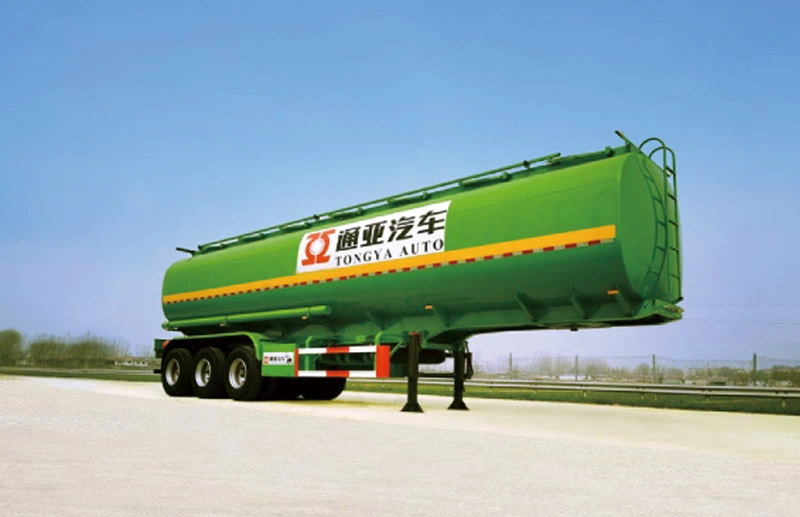
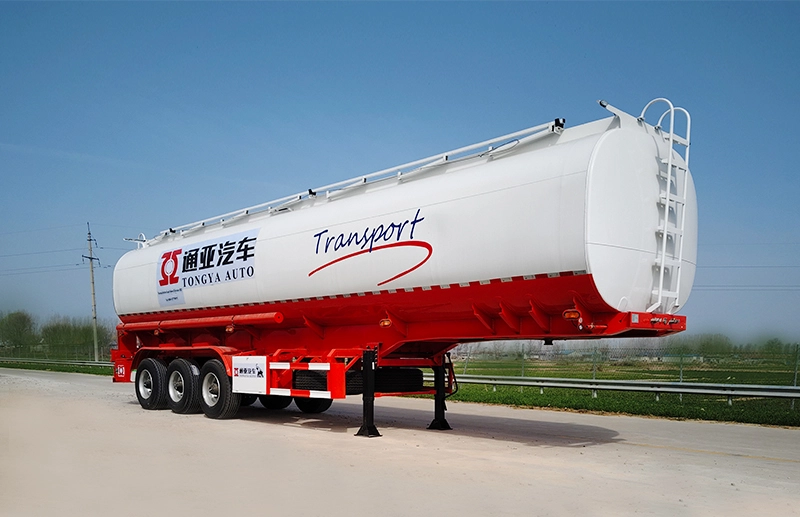
Buying a fuel tank trailer is a significant investment for your business. Whether you’re in fuel distribution, agriculture, construction, or logistics, choosing the right equipment is crucial for safety, efficiency, and profitability. With so many options on the market, making the right choice can be daunting.
This comprehensive fuel tanker trailer buying guide will walk you through the key factors you need to consider to make an informed decision that meets your operational needs and complies with strict industry regulations.
Key Factors to Consider When Buying a Fuel Tank Trailer
Determine Your Capacity Needs
The size of your fuel tank trailer is the first and most critical decision. Capacity is measured in gallons and directly impacts how much product you can transport per trip.
- Small Tanks (1,000 – 3,999 gallons): Ideal for small businesses, agricultural use, or refueling equipment on remote job sites.
- Medium Tanks (4,000 – 7,999 gallons): A versatile choice for regional distributors and construction companies with moderate fuel demands.
- Large Tanks (8,000+ gallons): Designed for high-volume long-haul transport, often requiring a Commercial Driver’s License (CDL) to operate.
Pro Tip: Balance capacity with practicality. A larger trailer means fewer trips but also requires a more powerful truck to tow it and must comply with weight limit laws (like bridge laws).
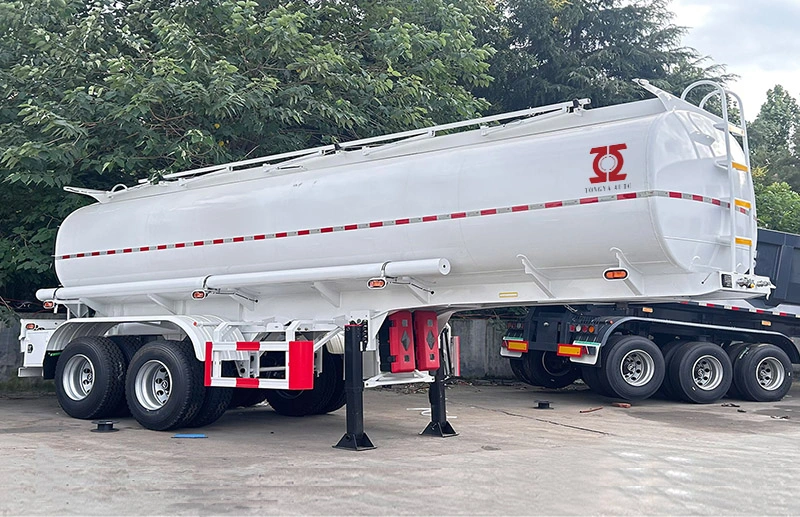
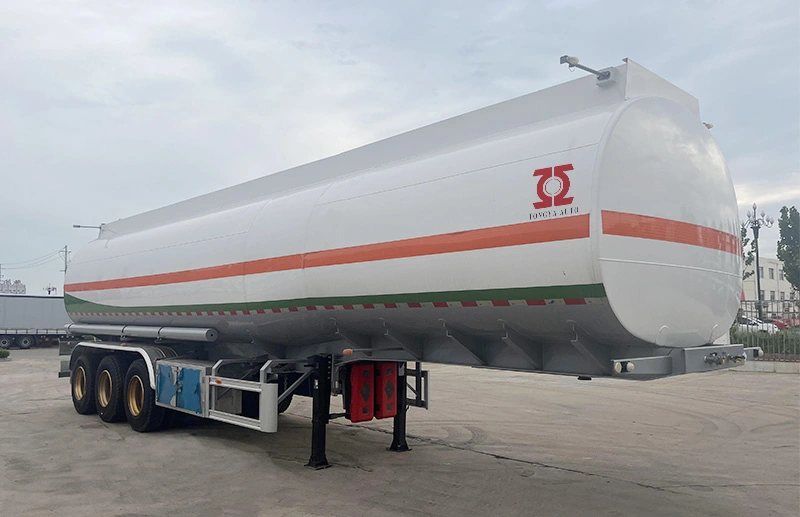
Understand Trailer Types and Configurations
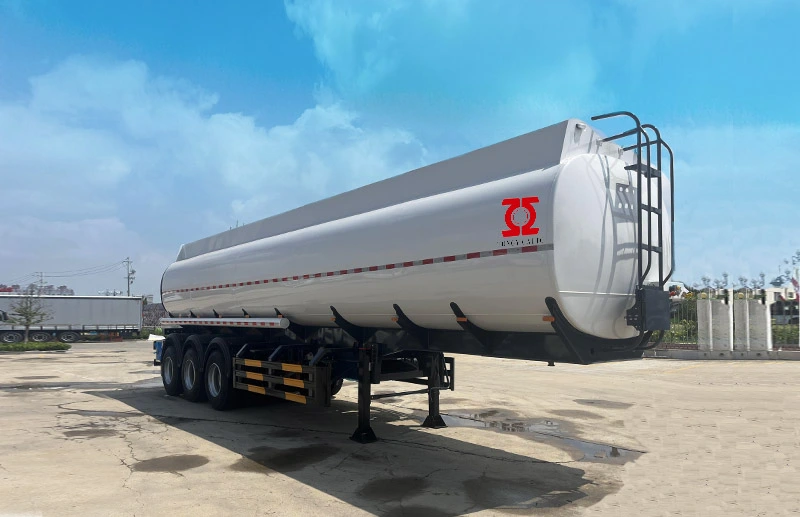
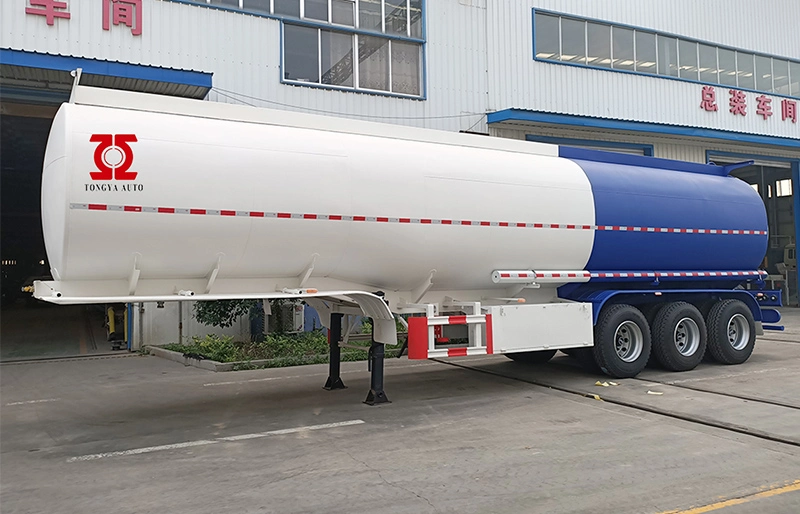
Fuel tank trailers come in several styles, each suited for different applications.
- DOT MC-306 /406 Trailers: Often called “fuelers” or “transports,” these are the most common trailers for transporting flammable liquids like gasoline and diesel. They feature multiple compartments, bottom-mounted valves, and are built to strict Department of Transportation (DOT) specifications.
- ASME Trailers: These are engineered to the American Society of Mechanical Engineers (ASME) code. They are typically used for non-flammable liquids like water, oil, or chemicals, but specific ASME designs can be used for fuel. They are often simpler and may lack the compartmentalization of DOT trailers.
- Belly Trailers: Feature a lower center of gravity with tanks positioned between the wheels, offering improved stability and easier loading/unloading.
- Pup Trailers: Shorter, smaller-capacity trailers (typically around 4,000 gallons) designed to be pulled by a single-axle truck. Perfect for navigating tight urban spaces or for making smaller, more frequent deliveries.
Choose the Right Number of Compartments
A single tank is almost always divided into multiple compartments. This allows you to transport different types of fuel (e.g., diesel, regular unleaded, premium unleaded) in the same trip without cross-contamination.
- 2-3 Compartments: Common for basic applications like carrying one type of fuel or diesel + def.
- 4-5+ Compartments: Essential for fuel distributors who need to deliver multiple products to gas stations or farms.
Prioritize Safety Features and Compliance
Safety is non-negotiable when hauling hazardous materials. Ensure any trailer you consider meets all necessary regulations.
- DOT Certification: Mandatory for transporting flammable liquids on public roads.
- Emergency Shut-Offs: Remote and mechanical emergency shut-off valves are critical for stopping flow instantly in case of an accident.
- Venting: Proper pressure/vacuum vents prevent tank rupture during filling and emptying.
- Grounding and Bonding: Systems to prevent static electricity discharge, a major ignition risk.
- Spill Containment: Spill buckets and secondary containment systems are vital for environmental protection.
Select Durable Construction Materials
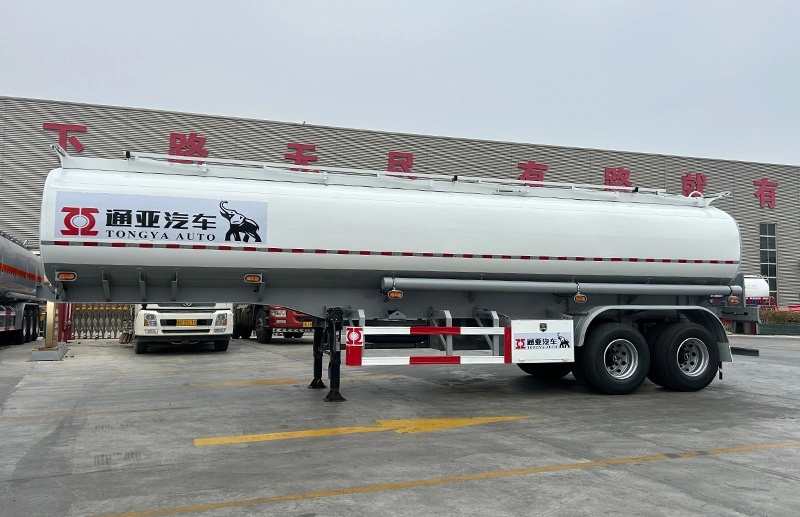
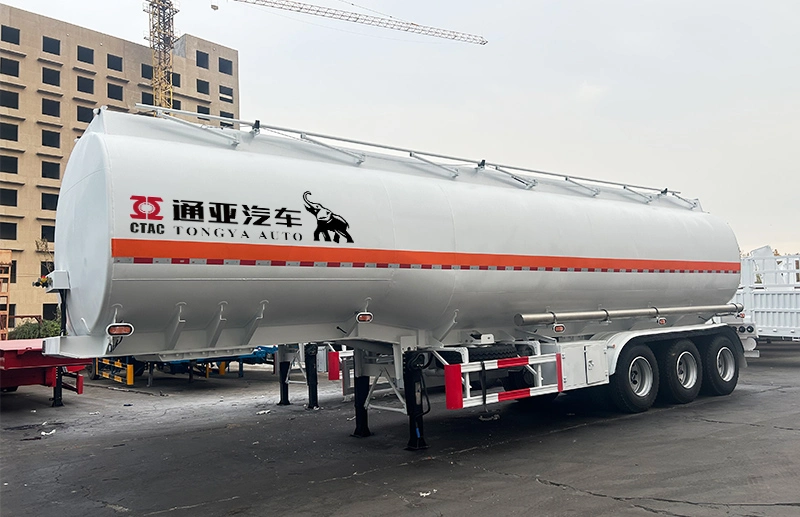
The material of the tank affects its longevity, weight, and what products it can carry.
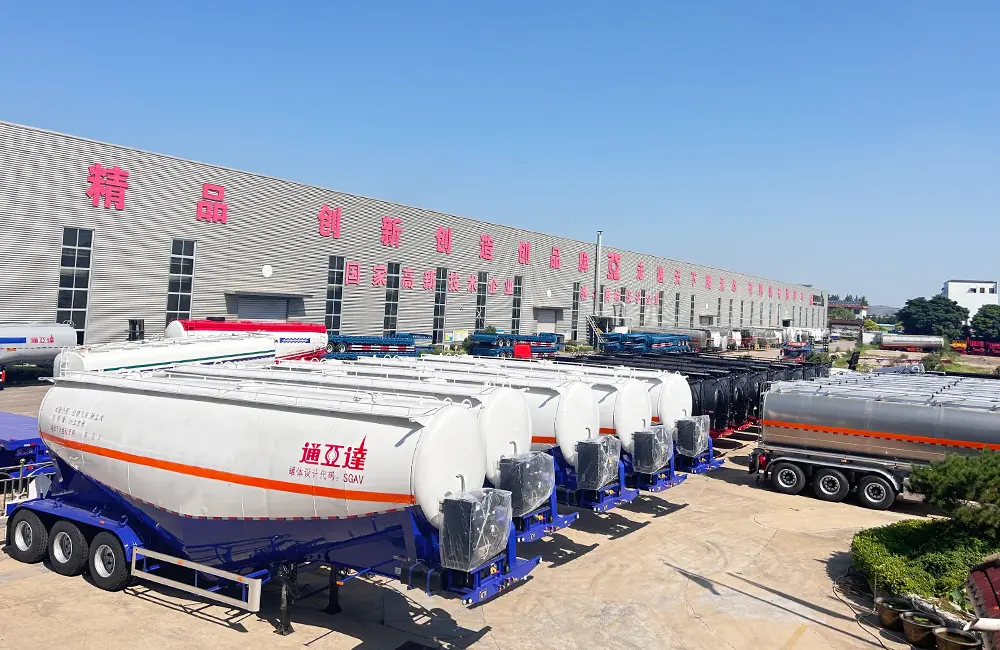
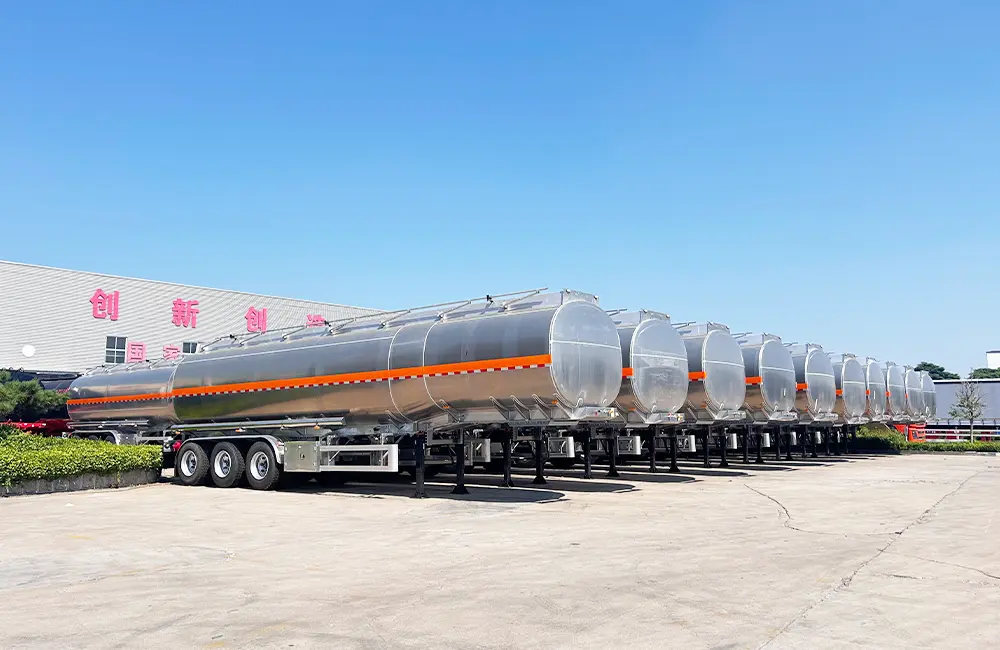
- Aluminum: The most popular choice. It’s lightweight (allowing for higher payloads), resistant to corrosion, and requires less maintenance. Ideal for gasoline and diesel.
- Steel: Heavier and stronger but susceptible to rust, especially from interior condensation. Often used for crude oil or other specific commodities. May be lined with a protective coating.
New vs. Used Fuel Tank Trailers
This decision boils down to your budget and risk tolerance.
- New Trailers: Come with the latest safety features, full warranties, and zero wear-and-tear. Higher upfront cost but potentially lower maintenance costs initially.
- Used Trailers: A cost-effective entry point. However, it is essential to have a used trailer thoroughly inspected for structural integrity, leaks, valve functionality, and compliance with current regulations. Always check its history and inspection records.
Consider the Pumping System
How will you get the fuel out of the tank? The pump is the heart of the operation.
- Engine-Powered Pumps (e.g., powered by a PTO): Offer high flow rates and are self-contained.
- Electric-Powered Pumps: Quieter operation but require a power source (e.g., truck battery or generator).
- Gravity Fed: Simple and reliable, but slower and requires the tank outlet to be higher than the intake of the vessel you’re filling.
Don’t Forget Additional Options
- Meters: Ensure accurate dispensing and billing with a calibrated meter.
- Hoses and Reels: Choose the right length and material for your needs. Reels keep hoses organized and protect them from damage.
- Baffles: Most fuel trailers have baffles to reduce liquid surge during transport, which improves handling and safety.
Final Checklist Before You Buy
- Define Your Need: What fuel are you moving? How much? How often?
- Check Regulations: Do you need a DOT MC-306 trailer? What are your state’s weight limits?
- Set a Budget: Consider Total Cost of Ownership (purchase price, maintenance, insurance).
- Research Reputable Dealers: Look for established companies with good reviews and a strong service department.
- Inspect Thoroughly: For used trailers, hire a third-party inspector if needed. For new, understand the warranty terms.
Conclusion
Choosing the right fuel tank trailer is a complex process that requires careful thought. By understanding your capacity requirements, prioritizing safety features, and selecting the right configuration and components for your specific job, you can invest in an asset that will serve your business reliably and safely for years to come.
Ready to find the perfect fuel tank trailer for your operation? Contact our experts today for a personalized consultation and quote. We carry a wide inventory of both new and certified used DOT-approved trailers to meet any need and budget.
FAQ Section
Q: What license do I need to drive a fuel tank trailer?
A: For trailers with a capacity of 1,000 gallons or more (or a gross combined weight rating of 26,001 lbs or more), you typically need a Commercial Driver’s License (CDL) with a Hazardous Materials (Hazmat) endorsement.
Q: How often do fuel tank trailers need to be inspected?
A: DOT requires that commercial vehicles, including fuel trailers, be inspected at least annually. However, many companies perform more frequent informal inspections (e.g., daily or before each trip) for safety.
Q: Can I haul diesel and gasoline in the same trailer?
A: Yes, but only if the trailer has separate, dedicated compartments. This prevents cross-contamination of products.
Q: What is the typical lifespan of a fuel tank trailer?
A: With proper maintenance and care, an aluminum fuel trailer can last 20 years or more. Steel trailers may have a shorter lifespan due to corrosion.