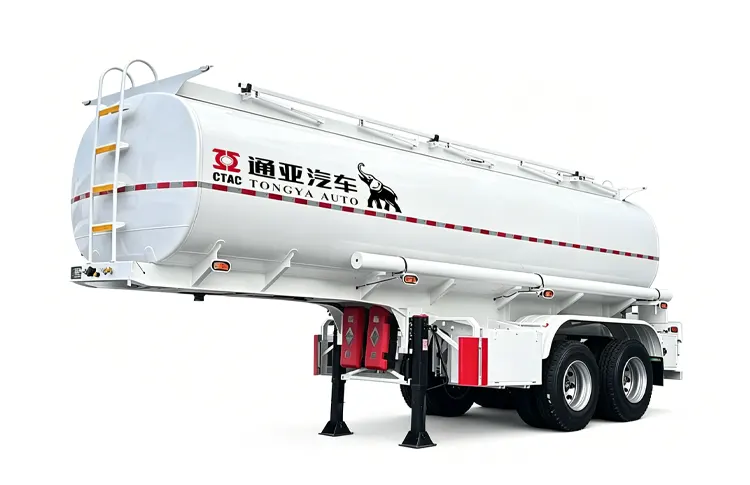
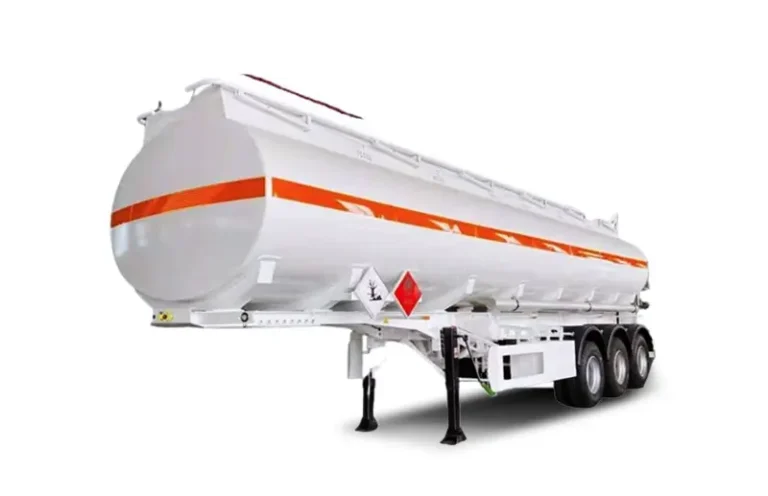
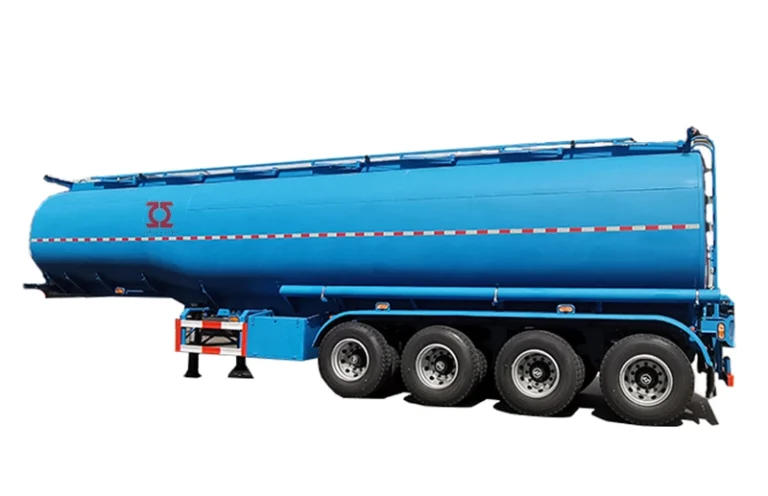
A fuel tank trailer is one of the most significant investments for any fuel distribution business, logistics fleet or mining operation. A poorly built trailer can lead to catastrophic fuel leaks, costly breakdowns, safety hazards and even legal penalties. Unfortunately, many buyers focus only on price and overlook critical quality checks, ending up with units that fail within just a few years of operation.
Whether you’re buying a new or used unit, knowing how to properly inspect a fuel tank trailer will help you avoid expensive mistakes and choose a unit that delivers reliable performance for 10+ years. This guide covers the most important quality checks you should perform before making any purchase decision.
1. Structural Design and Material Quality
The foundation of any durable fuel tank trailer lies in its structural design and the quality of materials used. Start by verifying the type and thickness of the steel used for the tank body and main chassis beam.
High-quality trailers use Q345B or HG60 high-strength steel, which offers superior tensile strength and corrosion resistance compared to ordinary carbon steel. The tank body should have a minimum thickness of 5mm for general use, and 6mm or more for heavy-duty applications. The main chassis beam should be a one-piece I-beam construction, not welded from multiple pieces, to ensure maximum load-bearing capacity.
Also check the internal anti-wave plates, which are essential for reducing liquid sloshing during transit. These plates should be evenly spaced and fully welded to the tank walls, not just spot-welded. A well-designed anti-wave system significantly improves driving stability and reduces stress on the tank structure.
For operators transporting diesel specifically, the diesel fuel tank trailer should have an additional internal anti-corrosion coating to protect against the chemical properties of diesel fuel, which can cause rust and degradation over time.
2. Welding and Sealing Integrity
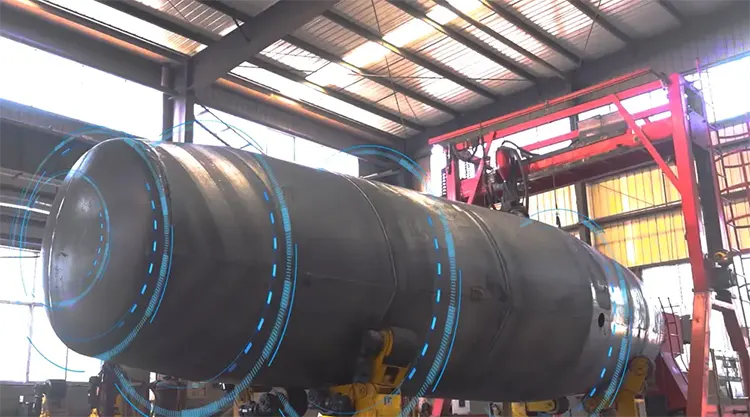
Welding quality is the single most important factor in preventing fuel leaks, which are the most common failure point in low-quality trailers. Poor welding can lead to cracks, leaks and even explosions when transporting flammable fuels.
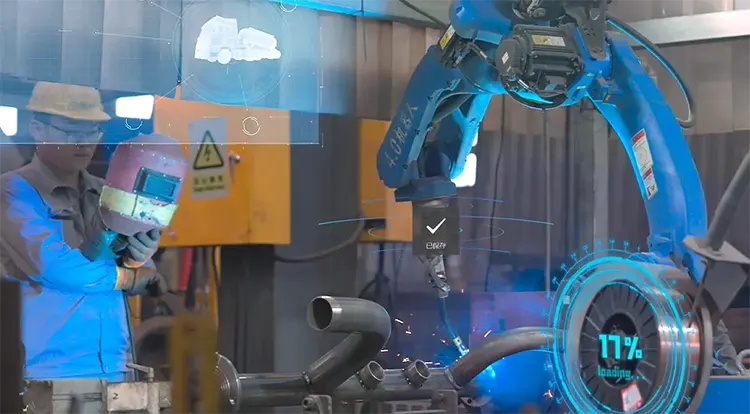
Inspect all welds carefully – they should be uniform, smooth and free of porosity, cracks or unevenness. High-quality manufacturers use fully automatic submerged arc welding robots, which produce consistent, leak-proof welds that are far superior to manual welding. Avoid trailers with visible manual welds, especially on the tank body seams.
Every new fuel tank trailer should undergo a rigorous pressure test before leaving the factory. Ask the manufacturer for a pressure test report, which should show that the tank was tested at 1.5 times its working pressure for a minimum of 30 minutes with no signs of leakage. You can also perform a simple water test yourself by filling the tank with water and checking for any drips or wet spots.
3. Safety Systems and Components
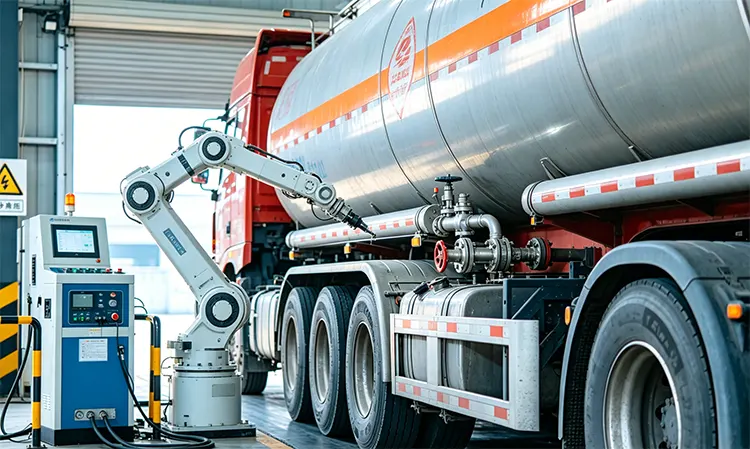
Safety is non-negotiable when transporting flammable liquids, and a high-quality fuel tank trailer should be equipped with a complete set of safety features. Start by checking the following critical components:
- Emergency shut-off valves: These valves should automatically close in case of an accident to stop fuel flow. They should be easily accessible and operate smoothly.
- Anti-static system: A proper grounding system is essential to eliminate static electricity buildup during loading and unloading. Check for a visible grounding cable and anti-static coating on the tank surface.
- Explosion-proof manhole covers: These covers should have pressure relief valves to prevent overpressure inside the tank.
- Braking system: A dual-line pneumatic brake system with spring brake chambers is required for reliable stopping power under full load. Test the brakes to ensure they engage and release smoothly.
- Lighting and reflectors: All lights and reflectors should be functional and properly positioned to meet international road safety standards.
4. Core Mechanical Components
The mechanical components of a fuel tank trailer directly impact its reliability and maintenance costs. Inspect the axle, suspension and landing gear carefully:
- Axles: Reputable brands like FUWA, BPW or JOST are preferred for their durability and global spare parts availability. Check the axle brand and model, and verify that they are rated for the trailer’s maximum load capacity.
- Suspension system: Heavy-duty leaf spring suspension is the most common and reliable choice for rough road conditions. Check the leaf springs for cracks or signs of wear, and ensure that the suspension bolts are properly torqued.
- Landing gear: The landing gear should be sturdy and easy to operate, with a weight rating that matches the trailer’s tare weight.
For larger capacity units, our heavy-duty fuel tank trailer features upgraded axles and suspension systems designed to handle the extra weight and stress of long-distance transport.
5. Manufacturer Credibility and Documentation
Finally, always verify the manufacturer’s credibility and request all necessary documentation before making a purchase. A reputable manufacturer will provide:
- Complete product specifications and technical drawings
- Pressure test and leak test reports
- Material certificates for the steel and other components
- Compliance certificates for international standards (DOT, ECE, ISO)
- A comprehensive warranty document
Avoid manufacturers who are unwilling to provide these documents or who cannot show proof of their export experience. Look for manufacturers with a proven track record of supplying trailers to your target market, as they will be familiar with local regulations and road conditions.
Buying a high-quality fuel tank trailer requires careful inspection and due diligence. By following these steps, you can avoid the common pitfalls of purchasing a low-quality unit and choose a trailer that will provide safe, reliable service for many years to come.
If you’re looking for a reliable fuel tank trailer for sale, always choose a manufacturer that prioritizes quality and safety above all else. A well-built trailer may cost slightly more upfront, but it will save you tens of thousands of dollars in repairs, downtime and potential liabilities over its lifespan.
Related Trailer Products
20000L 2 Axle Fuel Tanker Semi Trailer For Sale
Tongya 20000L 2 axle fuel tanker semi trailer features compact design, 5mm steel tank and WABCO brakes. Perfect for urban fuel delivery and narrow…
Oil Tanker Trailer For Sale | 60000L Heavy Duty Fuel Tank Trailer
Premium Oil Tanker Trailer For Sale with 30-60t load capacity, 60000L volume, Q345 high strength steel. Customizable fuel tank trailer for safe oil &…
4 Axle Fuel Tanker Trailer for Sale
Explore our robust 4 Axle Fuel Tanker Trailer, engineered for high-volume logistics with a substantial 55-cubic-meter capacity. Designed for efficiency and reliability, it is…