
If you’re a logistics operator, mining company, or fuel distributor in Africa, Southeast Asia, or other emerging markets, sourcing a high-quality fuel tank trailer from China is one of the most cost-effective ways to scale your transport business. However, many buyers face common pitfalls: unreliable factories, hidden costs, customs delays, and poor-quality units that can’t handle rough local road conditions.
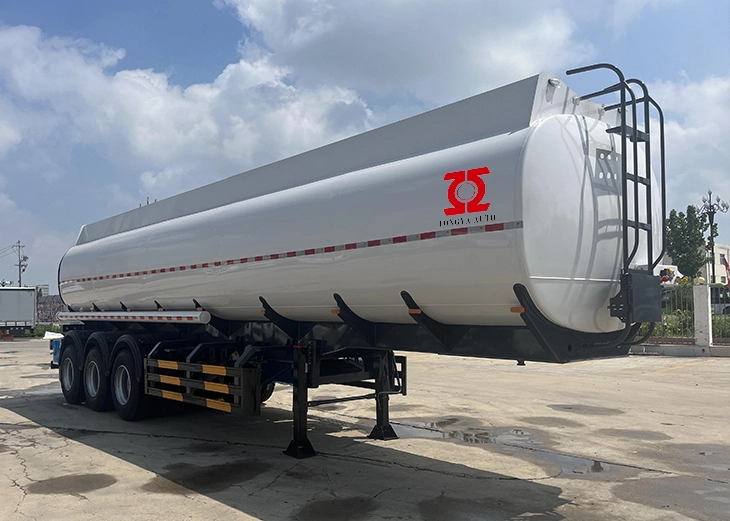
As a professional semi-trailer manufacturer with over 20 years of export experience, Tongya Trailers has helped clients in more than 50 countries — including Ghana, Nigeria, Tanzania, Guinea, and Uganda — safely import thousands of fuel tank trailer units. In this guide, we’ll walk you through the entire import process in clear, actionable steps, so you can avoid risks and get a durable, compliant fuel tank trailer that meets your exact business needs.
Step 1: Define Your Exact Fuel Tank Trailer Requirements First
The biggest mistake new buyers make is contacting factories before locking in their specific needs. Without clear parameters, you risk ending up with a fuel tank trailer that doesn’t fit local regulations, road conditions, or transport volumes. Start by confirming these core details:
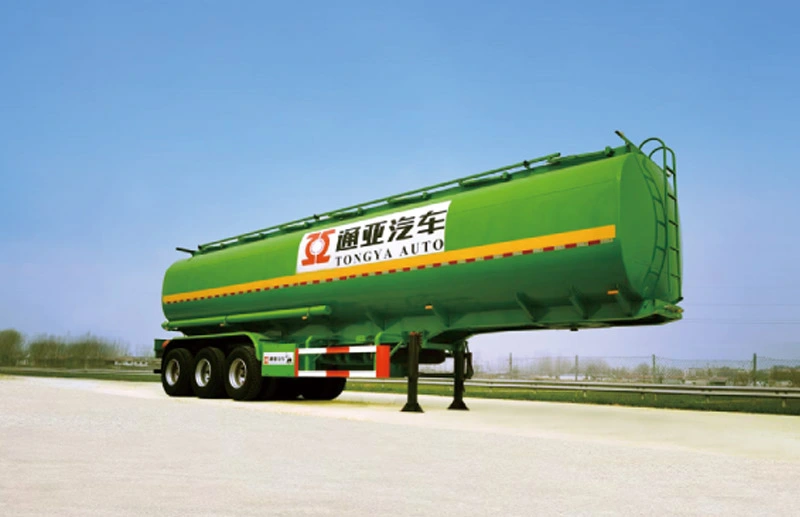
- Capacity & Axle Configuration: Choose the right volume and axle count for your operations, from a compact 2 axle fuel tank trailer for short-haul deliveries to a heavy-duty 40T fuel tank semi trailer for long-distance cross-country transport.
- Material & Build: Select between high-strength carbon steel (cost-effective, durable for heavy use) or aluminum alloy (lightweight, corrosion-resistant for higher fuel efficiency). Tongya’s fuel tank trailer lineup uses HG60 high-strength steel for maximum load capacity and stability, even on uneven terrain.
- Local Compliance: Verify your country’s import regulations, including required certifications, axle limits, and emission standards for heavy commercial vehicles.
- Additional Features: Confirm custom requirements like compartment divisions, pumping systems, or emergency shut-off valves for safe fuel transport.
Once you have these details finalized, you’ll be able to get accurate quotes and compare factory offers on an equal footing. For a full breakdown of available configurations, you can explore our complete fuel tank trailer range to find the right fit for your transport needs.
Step 2: Verify a Reliable Chinese Fuel Tank Trailer Manufacturer
The success of your import project hinges on choosing the right factory. With hundreds of semi-trailer suppliers in China, it’s critical to separate legitimate manufacturers from low-quality trading companies. Here’s how to vet a supplier properly:
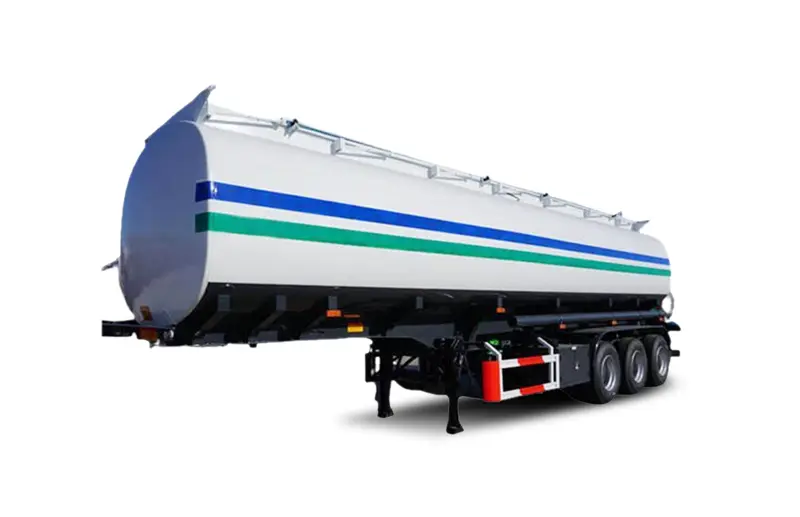
- Check Export Experience & Track Record: Prioritize factories with a proven history of exporting to your target market. Tongya Trailers, established in 2014, has 20 years of specialized experience manufacturing semi-trailers, exporting over 4,000 units to African markets every year, with a presence in more than 50 countries globally.
- Validate Production Capability & Quality Control: Look for manufacturers with in-house production facilities, strict quality testing, and industry certifications. Every fuel tank trailer from Tongya undergoes rigorous sealing and pressure testing to prevent fuel leakage and ensure transport safety, backed by a 5-year warranty for long-term reliability.
- Review Real Customer Cases & Testimonials: A trustworthy supplier will have verifiable client feedback and recent order records. For example, Ghanaian customers visited Tongya’s factory and placed a bulk order for fuel tank trailer units in April 2026, while a 3 axle fuel tank trailer was shipped to a client in Guinea in May 2026.
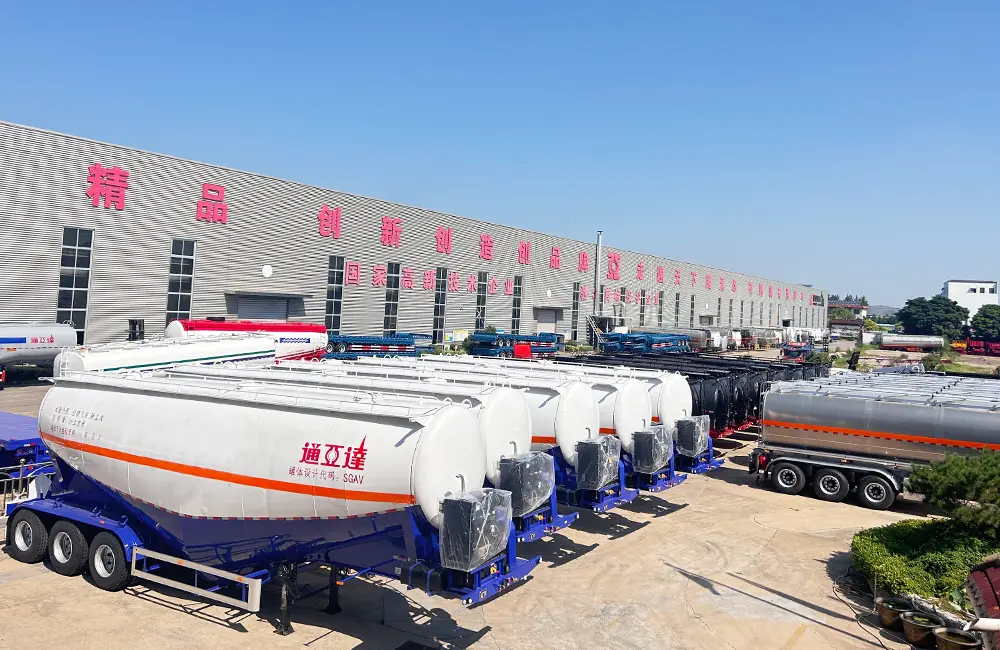
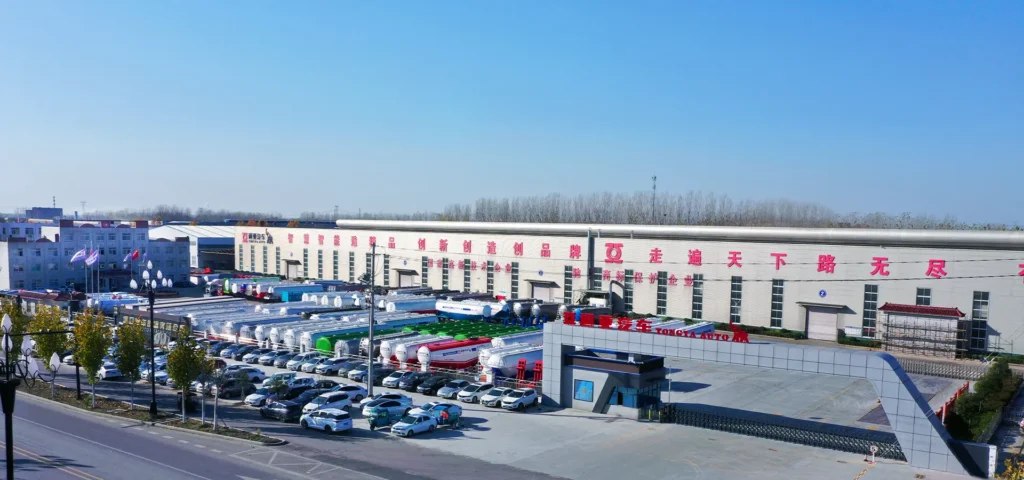
- Confirm Factory Visit Availability: Legitimate manufacturers welcome in-person or virtual factory tours. Tongya has a headquarters factory in Jinan, Shandong Province, with branch offices in Guangzhou and Yiwu, we make it easy for clients to arrange in-person or virtual factory tours at their convenience.
Avoid suppliers that can’t provide clear proof of their export history, or that offer prices far below the market average — these almost always come with hidden quality cuts that will cost you more in the long run.
Step 3: Negotiate Terms and Sign a Formal Sales Contract
Once you’ve selected your preferred manufacturer, it’s time to finalize the commercial terms and sign a legally binding contract. This step eliminates misunderstandings and protects both parties throughout the import process. Your contract for a fuel tank trailer should clearly outline:
- Full technical specifications of the fuel tank trailer, including material, capacity, axle count, and all custom features
- Final unit price, payment terms, and deposit structure
- Production lead time and estimated shipping date
- Warranty coverage and after-sales support terms
- Packaging requirements (all Tongya fuel tank trailer units are covered with heavy-duty tarpaulin during transport to protect against weather and damage)
- Liability terms for delays or quality issues
Never proceed with production based on a verbal agreement or a simple proforma invoice. A detailed contract is your best protection against unexpected costs or changes to your order.
Step 4: Arrange Pre-Shipment Inspection for Your Fuel Tank Trailer
Pre-shipment inspection (PSI) is a non-negotiable step to ensure your fuel tank trailer meets your specifications before it leaves China. Even if you trust your manufacturer, an independent inspection catches issues early, when they’re easy to fix, rather than after the unit arrives at your destination.
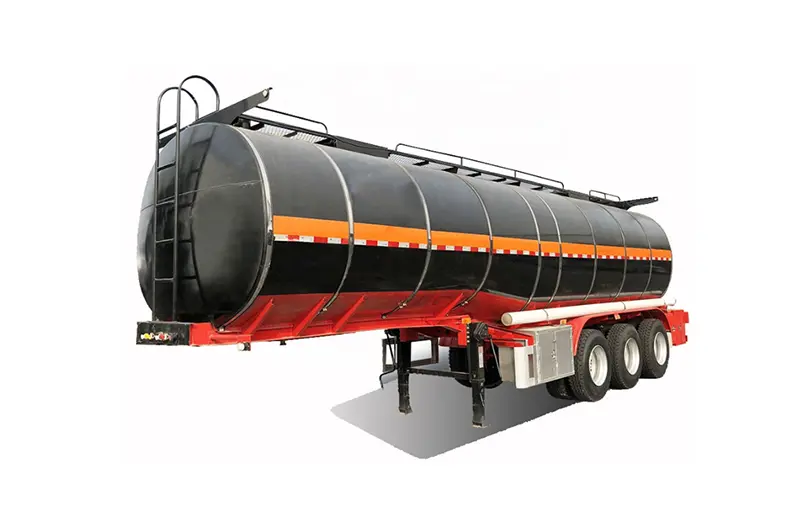
You can complete the inspection in three ways:
- In-person visit to the factory to inspect the unit yourself
- Hire a reputable third-party inspection company to conduct a full audit
- Request a live virtual inspection and detailed production report from your manufacturer
At Tongya, we provide all clients with a full inspection report, high-resolution photos, and video walkthroughs of every fuel tank trailer before shipment. We only release units for delivery once they pass all quality checks and meet the exact terms of the sales contract.
Step 5: Organize International Shipping and Logistics
Shipping a heavy-duty fuel tank trailer requires specialized logistics, and choosing the right shipping method will save you time and money. The two most common options for semi-trailer shipping are:
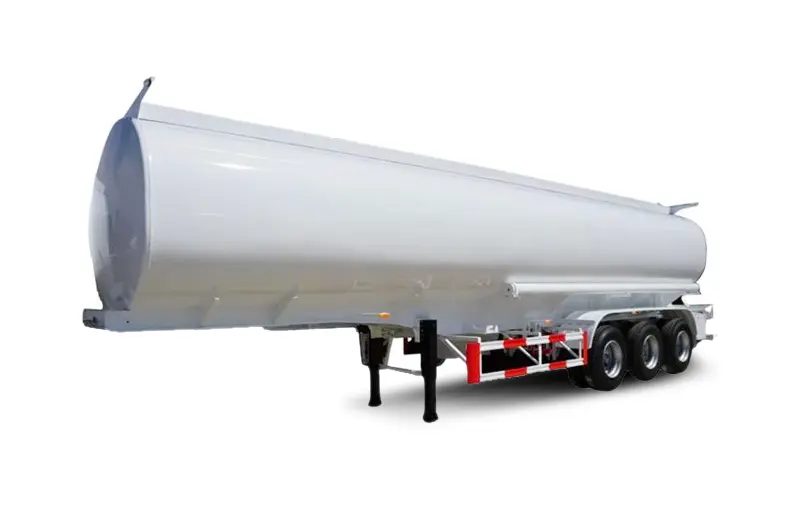
- Roll-on/Roll-off (RoRo) Shipping: The most popular and cost-effective method for complete fuel tank trailer units. The trailer is driven directly onto the ship, secured for transit, and driven off at the destination port.
- Breakbulk Shipping: Used for oversized or custom units that can’t be shipped via RoRo.
- Container Shipping: Only suitable for smaller, disassembled trailer units.
Many new buyers struggle with navigating international shipping, especially to remote African or Southeast Asian ports. Tongya’s in-house logistics team has over 20 years of experience arranging door-to-port and door-to-door shipping for fuel tank trailer orders to over 50 countries. We handle all shipping documentation, booking, and coordination, so you don’t have to manage multiple vendors, and we can support you with end-to-end logistics coordination to simplify the shipping process.
Step 6: Complete Customs Clearance and Take Delivery
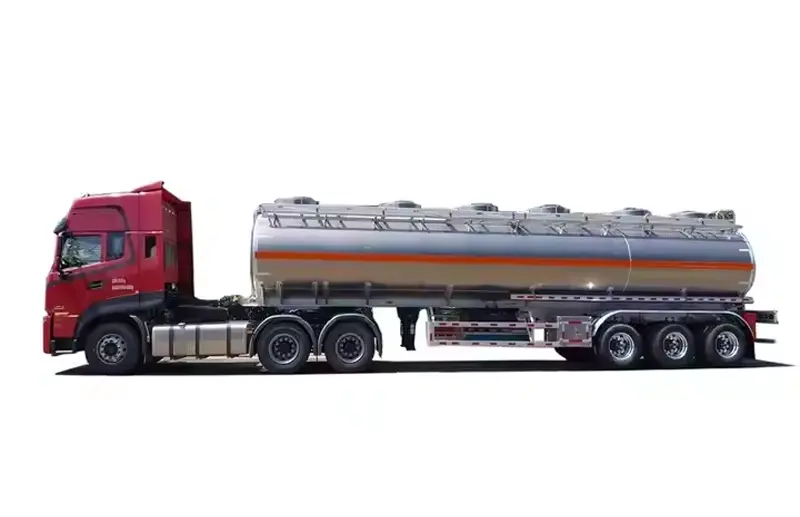
Customs clearance is one of the most common points of delay for fuel tank trailer imports, and it all comes down to having the right documentation ready in advance. To clear customs smoothly in your destination country, you’ll need the following documents from your manufacturer:
- Original bill of lading
- Signed commercial invoice
- Detailed packing list
- Certificate of Origin
- Product certification documents (to meet local regulatory requirements)
Tongya provides all required documentation well in advance of your fuel tank trailer arriving at the port, to help you avoid costly port storage fees and clearance delays. Once the unit clears customs, complete a final on-site inspection to confirm the fuel tank trailer is in perfect condition, with no damage during transit, before taking final delivery.
Step 7: Secure After-Sales Support and Maintenance for Your Fuel Tank Trailer
Importing your fuel tank trailer is not the end of the process — proper maintenance and after-sales support are critical to keeping your unit running reliably for years to come. Before you finalize your order, confirm that your manufacturer offers:
- A clear warranty policy (Tongya provides a 5-year warranty on all fuel tank trailer units)
- Access to replacement parts and technical support
- Detailed operation and maintenance manuals for your team
Our clients consistently praise the long-term performance of our fuel tank trailer units, with many noting that our scientific design, excellent sealing, and durable build far exceed their expectations — even on the roughest African road conditions.
Importing a fuel tank trailer from China doesn’t have to be complicated or risky. By following these 7 steps — defining your needs, vetting your manufacturer, signing a formal contract, completing pre-shipment inspection, arranging reliable shipping, clearing customs smoothly, and securing after-sales support — you can source a high-quality, cost-effective unit that will grow your business for years.
With over 20 years of experience exporting fuel tank trailer and other semi-trailers to global markets, Tongya Trailers is here to support you at every step of the import process. Whether you’re looking for a standard oil tanker trailer for sale or a fully custom fuel transport solution, our team will work with you to create a unit that fits your exact needs. If you have any questions about importing a fuel tank trailer from China, you can connect with our expert team for a free, no-obligation quote and personalized support.