
For professionals engaged in fuel transportation in Africa, selecting the right fuel tank trailer directly impacts daily operational profitability, transport safety, and long-term development. Among the many types of fuel tanker trailers available, aluminum fuel tanker trailers have garnered significant attention in the African fuel transportation sector due to their unique performance characteristics. This article comprehensively analyzes the real advantages and disadvantages of aluminum fuel tank trailers, taking into account Africa’s road conditions, climate characteristics, and practical operational needs. Drawing on Tongya Trailers’ professional manufacturing expertise, it provides African users with clear guidance for selecting the right model, helping them make the choice that best suits their business needs.
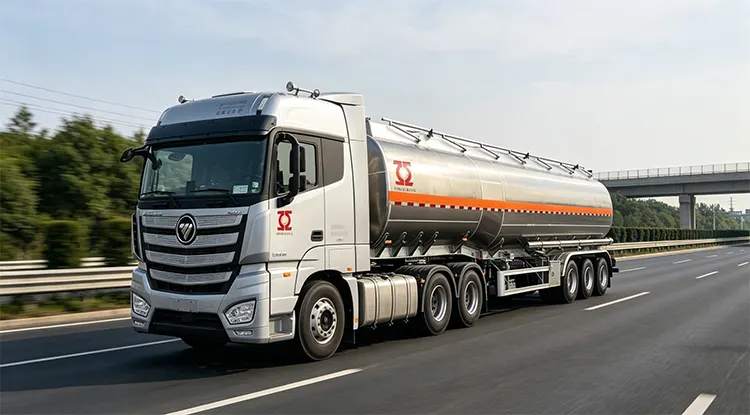
What is an aluminum fuel tank trailer?
Aluminum fuel tank trailers are fuel transport trailers whose tanks are primarily constructed from high-strength aluminum alloy. They are widely used for transporting various liquid cargoes such as gasoline, diesel, and kerosene, and represent a highly competitive model within the fuel tank trailer family. Compared to traditional steel fuel tank trailers, aluminum fuel tank trailers offer significant advantages in terms of weight, durability, maintenance costs, and operational efficiency. For users in Africa, who face the constant challenges of long-distance transport, heavy loads, and complex, harsh road conditions, a thorough understanding of the advantages and disadvantages of aluminum fuel tank trailers directly impacts monthly revenue and vehicle service life.
Key Advantages of Aluminum Fuel Tank Trailers (Suitable for African Conditions)
Given the operational environment in Africa, the advantages of aluminum fuel tank trailers are particularly evident; each feature effectively addresses the core challenges faced by African operators and enhances operational efficiency.
No posts
Lighter weight, higher payload, and greater profitability
Lightweight construction is the key advantage of aluminum fuel tank trailers. Aluminum alloy is significantly lighter than standard carbon steel. Given the strict axle weight limits and tank volume standards in most African countries, aluminum fuel tank trailers can increase payload capacity by 10% to 25% without violating regulations. This means more fuel can be loaded per trip, reducing the number of transport runs and, consequently, lowering operational costs such as labor and road tolls, which directly boosts monthly profits. This advantage is particularly evident for long-distance cross-border transport in West, East, and Southern Africa, helping operators gain a competitive edge in a highly competitive market.
Highly corrosion-resistant and well-suited to the African climate
Most parts of Africa experience high temperatures and humidity, and some coastal areas are also subject to salt spray corrosion. Combined with frequent rainfall during the rainy season, traditional steel fuel tank trailers are highly susceptible to rust, which not only damages the tank body but can also contaminate the fuel, compromising transportation safety. In contrast, aluminum fuel tank trailers naturally develop a dense oxide layer on their surfaces that effectively resists rust and corrosion. The interior walls of the tanks are resistant to rust, ensuring fuel quality while eliminating the need for frequent maintenance tasks such as repainting and rust removal. This significantly reduces vehicle downtime and maintenance costs, making them ideal for long-term outdoor operations in Africa.
Lower fuel consumption and manageable long-term operating costs
One of the direct benefits of lightweight construction is reduced fuel consumption. Compared to steel tank trailers, aluminum tank trailers can reduce fuel consumption by 10% to 15%. In the African market, where fuel prices are highly volatile and generally high, the fuel savings per trip add up to a significant profit over time. At the same time, the reduced vehicle weight also minimizes tire wear, brake wear, and chassis stress, making aluminum tank trailers more durable on Africa’s unpaved, bumpy roads and further lowering long-term operating costs.
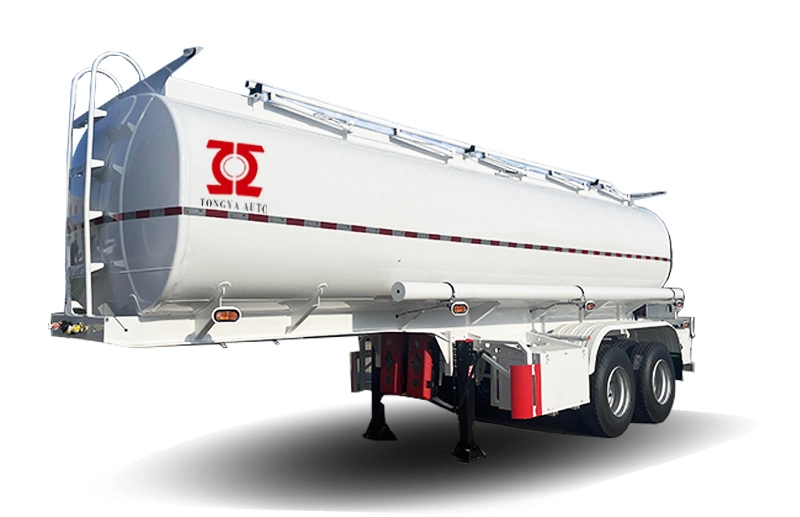
Structural safety, designed to handle Africa’s challenging road conditions
Aluminum fuel tank trailers offer significant safety advantages. Aluminum alloy has excellent electrostatic conductivity, which effectively reduces the buildup of static electricity during fuel loading and unloading, thereby lowering the risk of fire and explosion. Additionally, the lower center of gravity of aluminum tanks provides greater stability during cornering and braking on Africa’s sharp curves and steep slopes, effectively reducing the risk of rollover. Furthermore, aluminum alloy offers excellent impact resistance, allowing it to better absorb impact forces during minor collisions and protect both the tank and the fuel, making it well-suited for transportation needs on Africa’s challenging road conditions.
Long service life and high residual value
High-quality aluminum fuel tank trailers, when properly maintained, can have a service life of 15 to 25 years—5 to 10 years longer than traditional steel fuel tank trailers. Additionally, aluminum alloy has high scrap value, so even after years of use, the vehicle retains a significant residual value. For African fleet owners planning for long-term operations and prioritizing asset preservation, aluminum fuel tank trailers offer better value for money over their entire lifecycle.
Practical drawbacks of using aluminum fuel tank trailers in Africa
While aluminum fuel tank trailers offer clear advantages, they also have some drawbacks, particularly when operating in African conditions; users need to be aware of these in advance and prepare accordingly.
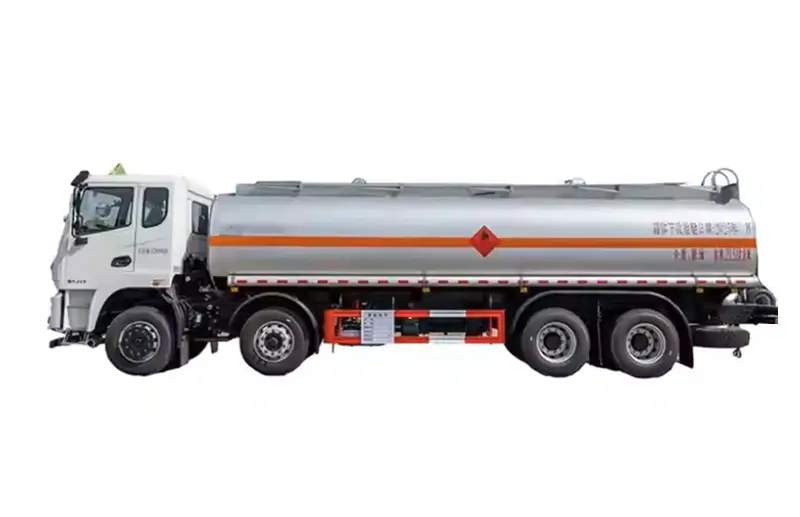
The initial purchase cost is relatively high
The most obvious drawback of aluminum fuel tank trailers is that they are more expensive to purchase than steel ones. Due to the higher cost of aluminum alloy materials and the more stringent manufacturing requirements, the initial investment is significantly higher than that of steel models. For startups with limited capital or users engaged solely in short-distance, small-batch transport, this represents a significant one-time financial burden. However, given the benefits of reduced fuel consumption and increased payload capacity, most African users report that the additional purchase cost can be recouped through operational profits within 1 to 3 years.
Lack of rigidity, prone to deformation under impact
Compared to steel, aluminum alloy is lightweight but relatively less rigid. When driving on mining roads or gravel roads in Africa, aluminum tanks are more prone to dents and deformation if struck by rocks or crushed by heavy objects. While minor dents can be repaired, severe impacts may cause damage to the tank, affecting its usability. This requires drivers to exercise greater caution while driving and avoid complex and hazardous road sections.
Maintenance is demanding and requires professional services
Repairing aluminum fuel tank trailers requires specialized welding skills and specialized tools, which ordinary small repair shops are often unable to handle. In some remote areas of Africa, repair resources are limited, and vehicle breakdowns can lead to difficulties in obtaining repairs and long wait times. Therefore, when selecting an aluminum fuel tank trailer, it is essential to partner with a reliable after-sales service provider to ensure access to repairs and spare parts.
Sensitive to highly corrosive chemicals
Although aluminum fuel tank trailers offer good corrosion resistance against conventional fuels such as gasoline and diesel, they are sensitive to highly corrosive chemicals such as strong acids and alkalis and cannot be used to transport such cargo. For most operators in Africa who specialize in fuel transportation, this restriction has little impact; however, it is still necessary to clearly identify the types of cargo being transported to avoid non-compliant use.
Which African businesses are aluminum fuel tank trailers suitable for?
Aluminum fuel tank trailers are not suitable for all users in Africa. Considering their pros and cons, they are better suited for the following scenarios and operators:
Suitable for: Operators engaged in long-haul transport, cross-border logistics, and bulk fuel distribution; users operating in coastal or high-humidity regions; fleet owners focused on long-term operations who seek low maintenance costs and high profitability.
Less suitable for: Users engaged solely in short-distance, small-volume transport; operators working in extremely harsh mining areas; and startups with very limited funds who cannot afford the higher initial investment.
Tongya Trailers: High-quality aluminum fuel tank trailers tailored for Africa
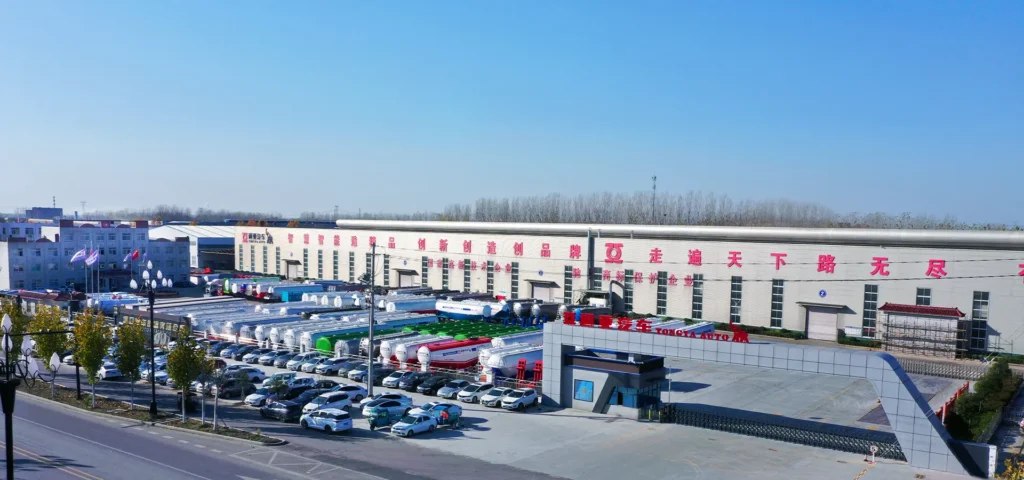
As a leading Chinese manufacturer specializing in the production of semi-trailers and tank trailers since 1982, TONGYA TRAILER has been deeply rooted in the African market for many years. With a thorough understanding of African road conditions, climate, and user needs, the company’s aluminum tank trailers have been optimized for local conditions to suit African operating environments.
TONGYA’s aluminum fuel tank trailers are constructed from high-quality aluminum alloy, featuring a rational design, lightweight construction, and high load capacity. They are equipped with anti-slosh baffles, safety valves, and other safety features to enhance transport safety. The tank bodies undergo special treatment to ensure corrosion resistance and anti-static properties, effectively preserving fuel quality. For the African market, Tongya offers a variety of configurations, including 3-axle and 4-axle models, with tank capacities ranging from 30,000L to 60,000L to meet diverse transportation needs.
Since launching its export business in 2006, Tongya Trailers has established a sales network across more than 23 African countries, with over 41 distributors and 90 service stations. This network provides African customers with timely after-sales maintenance and spare parts supply, completely resolving the pain point of inconvenient maintenance for aluminum fuel tank trailers and ensuring greater peace of mind for users.