
Whether it’s fuel transport equipment moving energy resources or cement tank trailers handling construction materials, specialized vehicles play a crucial role in modern logistics.
In today’s rapidly evolving logistics and transportation sector, choosing the right specialized transport equipment is vital to a company’s success. The diverse range of fuel trailers for sale available in the market provides various options for different customer needs, while cement tank trailers remain essential equipment for construction material transportation.
For many business owners and logistics managers, understanding how to choose the appropriate model from available fuel transport solutions while recognizing the distinct characteristics of related equipment has become a topic worthy of in-depth exploration.
01 Fuel Transport Equipment Market Overview
The market for fuel transport solutions exhibits diverse characteristics, catering to the needs of various industries and customers. This sector encompasses both brand-new fuel tankers and a wide range of used options, providing suitable solutions for businesses with different budgets.
Purchasing used fuel transport equipment can generate significant cost savings for companies, making them an ideal choice for budget-conscious organizations. These units not only offer cost advantages but also fulfill short-term project requirements, alleviating the pressure of substantial upfront investments.
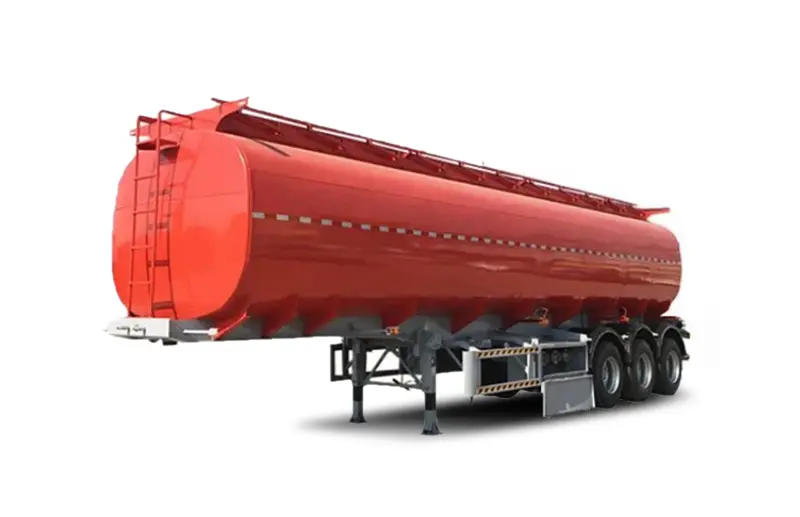
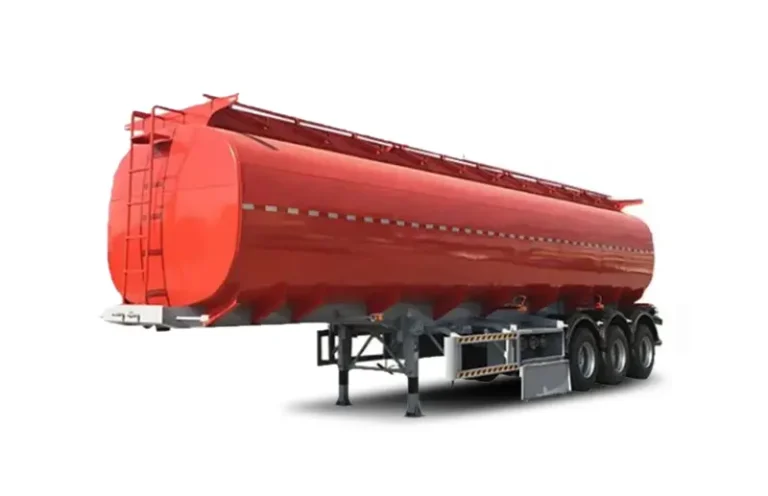
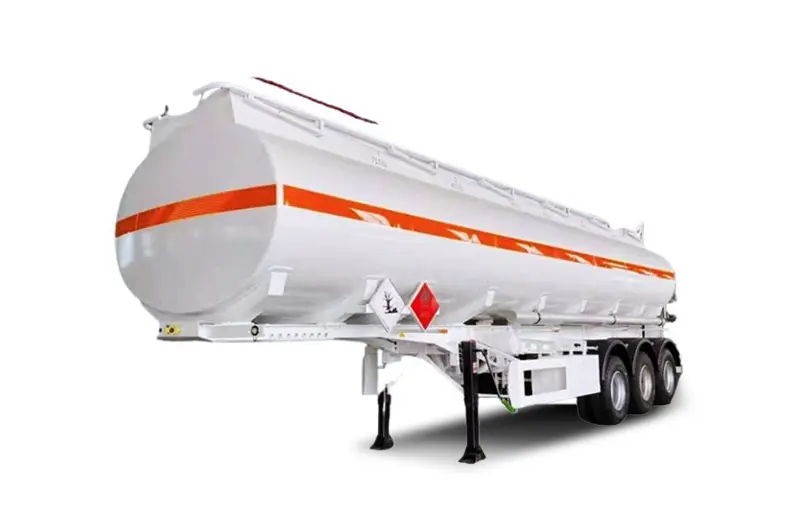
40000L-55000L Crude Oil Tank Trailer for Bulk Petroleum Transport
Tongya crude oil tank trailer features 40T load capacity, multi-compartment design and heavy-duty structure. Ideal for safe and efficient crude oil transport across Africa…
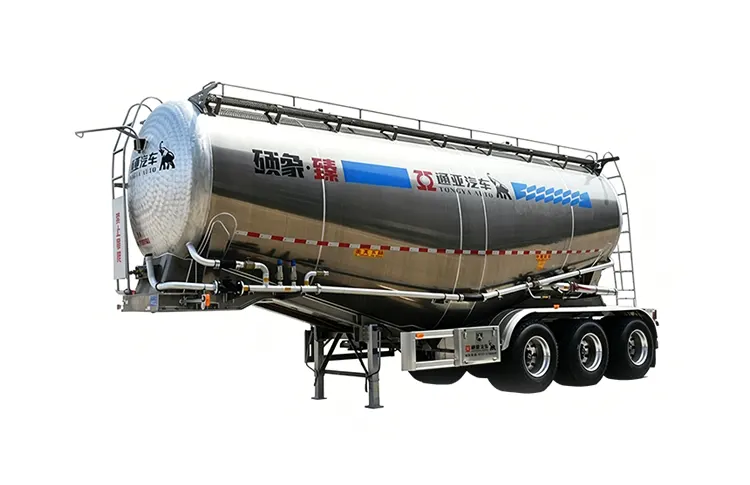
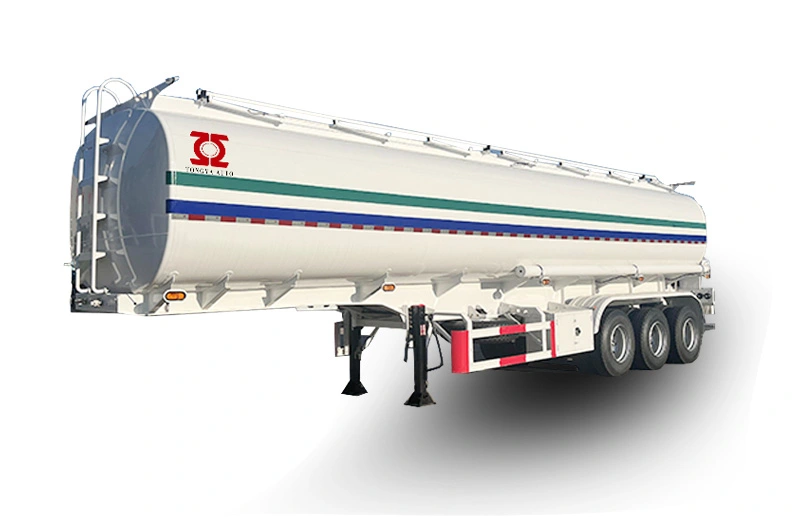
Aluminum Cement Tank Semi-Trailer
Our Aluminum Cement Tank Semi-Trailer features a lightweight aluminum alloy construction for enhanced payload capacity and superior corrosion resistance. Overall (L*W*H) 9150*2550*4000mm Total volume…
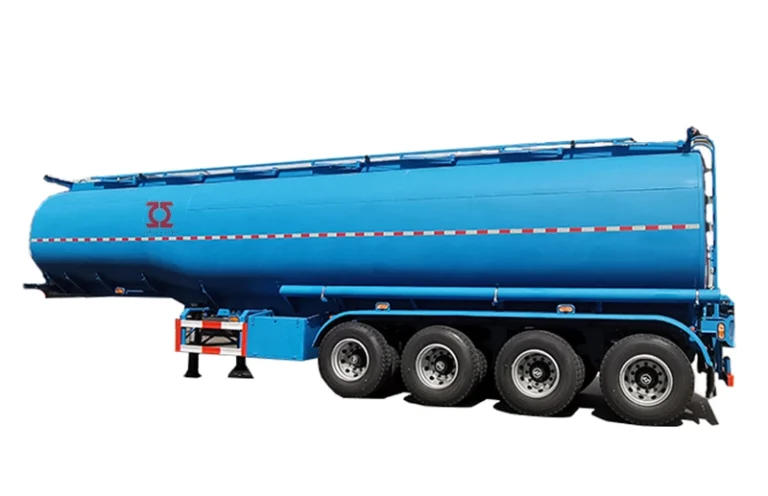
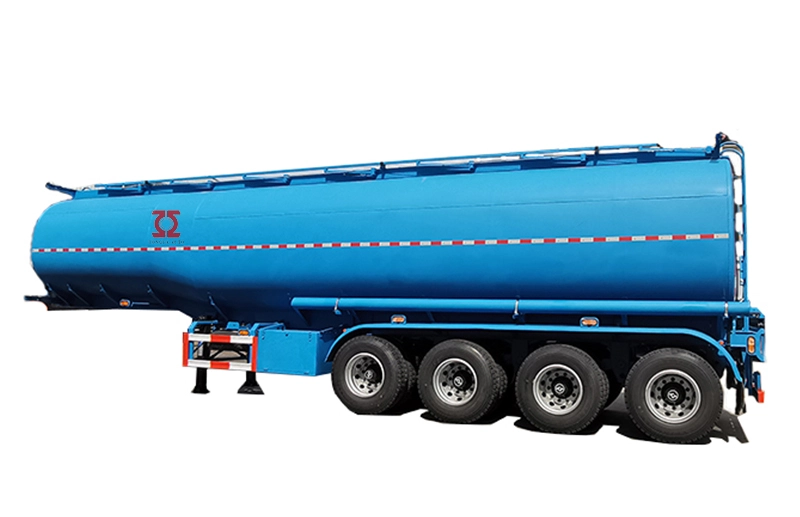
4 Axle Fuel Tanker Trailer for Sale
Explore our robust 4 Axle Fuel Tanker Trailer, engineered for high-volume logistics with a substantial 55-cubic-meter capacity. Designed for efficiency and reliability, it is…
From a global perspective, the fuel transportation equipment market remains vibrant and active, featuring vehicles of all sizes and configurations. Whether small businesses or large logistics firms, companies can find transportation solutions perfectly aligned with their operational needs.
02 Types and Applications of Fuel Tankers
Fuel tank trailers can be categorized into various specialized types based on their design and functionality, each optimized for specific transportation requirements. Understanding these categories is crucial when browsing through available fuel trailers for sale.
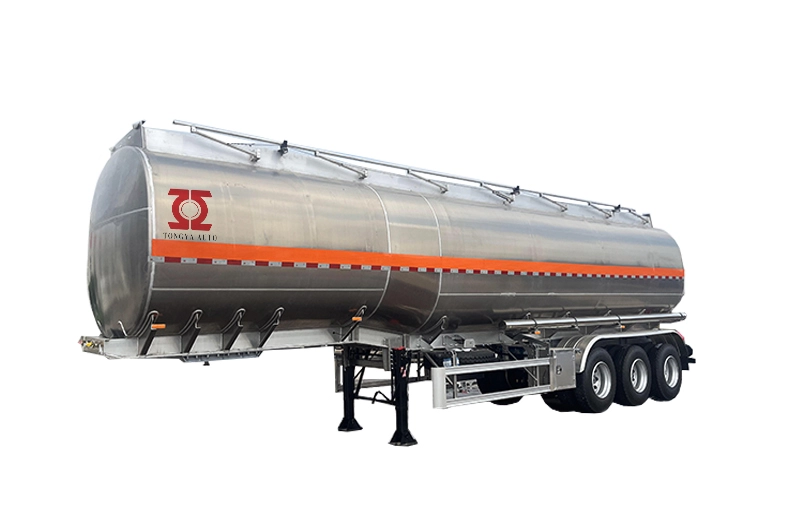
Fuel semi-trailers are among the most common types of fuel transport equipment, primarily used to transport gasoline, diesel, and other petroleum products. These units offer a wide capacity range, from several thousand liters to tens of thousands of liters, accommodating diverse transportation needs.
LNG tank trailers represent another specialized category in the fuel transport market, dedicated to transporting liquefied natural gas. These trailers require unique insulation and safety features to withstand extremely low temperatures. With growing demand for clean energy, the market for LNG tank trailers continues to expand.
Additionally, asphalt tank trailers represent another specialized type of fuel transport equipment, specifically designed for asphalt transportation and equipped with heating systems to ensure asphalt remains liquid during transit. The variations in design and functionality among different fuel tanker models demonstrate the specialized nature of this transport equipment.
03 Characteristics of Cement Tank Trailers
Cement tank trailer, also known as bulk material transport vehicles, represent another vital specialized transport solution. Similar to fuel transport equipment, they feature unique design and functional attributes.
This equipment primarily consists of three major components: the chassis, the tank body, and the pneumatic system. Utilizing a straight-through tank and Y-type fluidized bed structure, it boasts a low center of gravity and large capacity—features that are also important considerations when evaluating fuel transport vehicles.
The defining feature of cement tank trailers lies in their ability to perform pneumatic discharge of bulk powdered materials, revolutionizing traditional packaging handling methods. This design significantly enhances loading/unloading efficiency, improves working conditions, reduces packaging costs, and prevents environmental pollution.
For instance, the three-axle bulk cement semi-trailer, equipped with a 16-ton Fuhua axle and a Type 90 drawbar pin, boasts a tank capacity exceeding 40 cubic meters and a cement loading capacity of 52-58.5 tons. These attributes enable cement tank trailers to play a vital role in highway construction and large-scale infrastructure projects.
04 Key Selection Considerations for Fuel Transport Equipment
Selecting the appropriate fuel transport solution requires evaluating multiple factors that directly impact the equipment’s performance and service life.
- Equipment Condition Assessment: For used fuel tankers, a comprehensive inspection is particularly crucial. Beyond external appearance, focus on internal structure and wear on critical components.
- Maintenance History Verification: Reviewing maintenance records and any major repairs helps assess the overall condition and potential risks of the equipment under consideration.
- Safety Standard Compliance: Ensuring that the fuel trailers meet all applicable safety standards and regulatory requirements is fundamental to operational safety.
- Specific Transport Requirements: Select appropriate material and structural specifications based on the characteristics of planned cargo (e.g., corrosiveness, viscosity, temperature requirements).
Purchasing channels are also critical considerations when looking for fuel trailers for sale. Currently, the market primarily offers three acquisition routes: online platforms, specialized auctions, and direct suppliers. Partnering with reputable suppliers provides access to more professional technical support and service guarantees.
05 Industry Trends and Recommendations
With technological advancements, the industries for fuel transport equipment and cement tank trailers continue to evolve, revealing several notable trends.
Safety and specialization have become primary considerations in the design of modern fuel tankers, particularly for transporting hazardous materials like fuels and chemicals. Contemporary fuel transport vehicles are equipped with advanced safety features and control systems, significantly reducing operational risks.
Environmental and energy-saving requirements are also driving technological innovation in the fuel transport sector. For instance, the development of LNG tankers reflects the industry’s response to clean energy demands, while bulk transportation in cement tank trailers reduces packaging waste and environmental pollution.
For businesses, establishing sound procurement strategies is crucial when considering fuel transport solutions. While new equipment offers cutting-edge technology and extended service life, used fuel tank trailer for sale can provide more cost-effective solutions. The key lies in finding the optimal balance based on a company’s specific requirements, budget, and long-term operational planning.
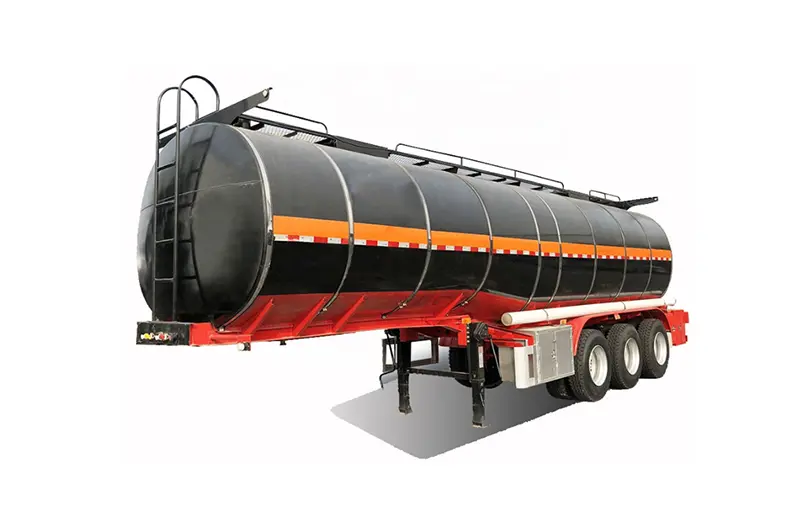
Looking ahead, with continuous technological advancements, specialized transport equipment such as fuel tank trailers and cement transport vehicles will become more efficient, intelligent, and environmentally friendly. Businesses that monitor these development trends and promptly adjust their procurement strategies will maintain a leading position in this competitive market.
For enterprises seeking reliable fuel transport solutions or cement tank trailers, understanding equipment characteristics thoroughly, strictly evaluating supplier reputation, and comprehensively considering operational needs are three key elements for making correct decisions. Choosing the right fuel transportation equipment can not only enhance operational efficiency but also create long-term value for the business.