
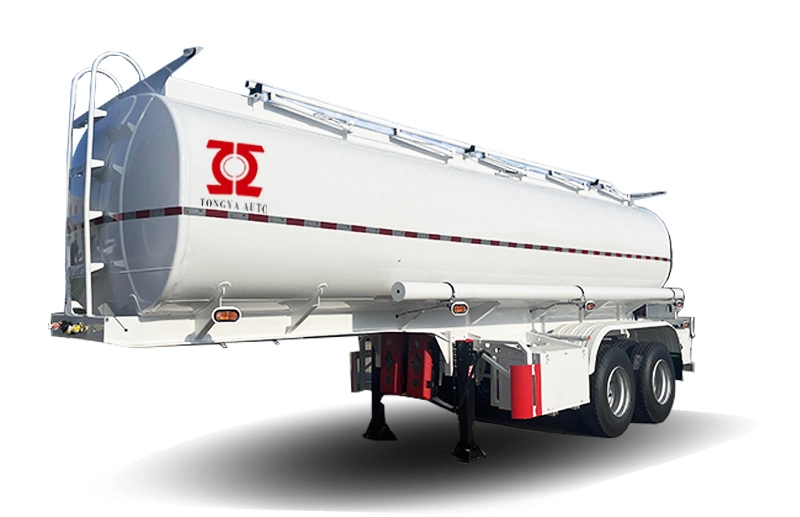
Across Africa, reliable bulk fuel transportation is the lifeblood of urban development, mining operations, and construction projects. A semi fuel tanker is the most efficient, durable, and cost-effective solution for long-haul and high-volume fuel delivery, designed to handle the continent’s complex road conditions and strict transport safety requirements. As the backbone of fuel logistics, a high-quality fuel tank trailer directly impacts your operational efficiency, cost control, and transport safety. This guide will walk you through everything you need to know about choosing, using, and maintaining a semi fuel tanker tailored to the African market.
What Is a Semi Fuel Tanker & Why It’s Ideal for African Transport?
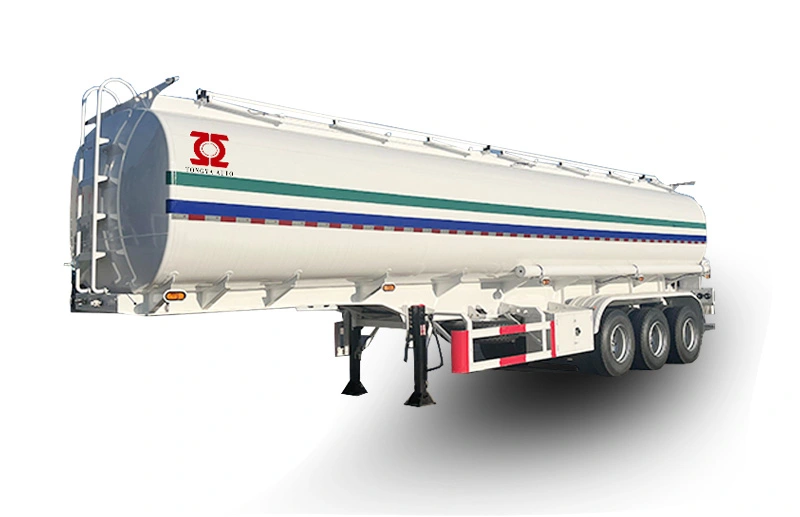
A semi fuel tanker, also known as a fuel tanker semi trailer, is a specialized heavy-duty commercial vehicle consisting of a large-capacity sealed tank body mounted on a semi-trailer chassis, designed exclusively for the safe transport of gasoline, diesel, kerosene, and other flammable liquid fuels. Unlike rigid fuel trucks, it relies on a tractor unit for towing, offering unmatched flexibility for fleet management and long-distance transport.
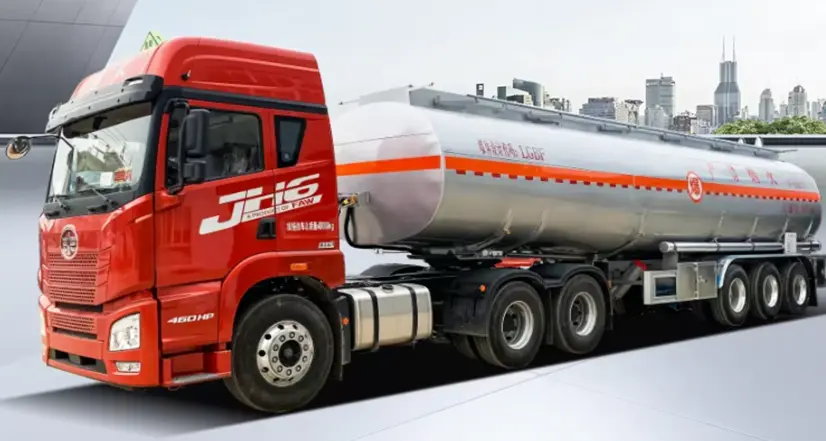
For African markets, this design solves three core pain points that standard fuel transport vehicles cannot:
- Adaptability to harsh road conditions: The reinforced semi-trailer chassis and multi-axle configuration deliver superior stability on unpaved roads, uneven terrain, and long-distance highways across Nigeria, Kenya, Ghana, and other African countries.
- High-volume transport efficiency: With a standard capacity ranging from 30,000L to 60,000L, a semi fuel tanker can carry 2-3 times more fuel than rigid fuel trucks, cutting down transport trips and labor costs for bulk fuel delivery.
- Flexible fleet operation: The semi-trailer design allows you to match different tractor units based on transport routes, reducing equipment wear and replacement costs, while also enabling easy customization for local transport regulations.
Core Advantages of Semi Fuel Tanker for Bulk Fuel Transport
When compared to other fuel transport solutions, the semi fuel tanker stands out for African businesses with five key benefits, all of which are built into every premium fuel tank trailer from leading manufacturers:
- Maximized Transport Efficiency The tank body’s fully sealed, centralized loading and unloading design cuts down cargo handling time by over 60%, reducing vehicle downtime and improving daily delivery capacity. For fuel distributors operating between cities and remote regions, this means more completed deliveries per week and higher revenue per vehicle.
- Uncompromised Cargo & Road Safety Every semi fuel tanker is built with internal baffles to slow liquid surge during braking and cornering, drastically reducing rollover risks on bumpy African roads. The airtight tank body eliminates fuel leakage, pollution, and deterioration during transport, while built-in safety features (emergency shut-off valves, overfill protection, anti-static systems) meet international hazardous material transport standards.
- Long-Term Cost Savings Tank transport eliminates the need for secondary packaging of fuel, saving on packaging materials and labor costs. The heavy-duty Q345 high-tensile steel construction ensures a service life of 15+ years with proper maintenance, while the modular design makes repairs and parts replacement simple and low-cost for African operators.
- Customizable Transport Capability Most semi fuel tankers can be built with 2-7 independent compartments, allowing you to transport multiple fuel types (gasoline, diesel, kerosene) in a single trip. This is a critical advantage for fuel distributors serving both urban gas stations and remote mining sites with diverse fuel needs.
- Reduced Labor Intensity The mechanized loading and unloading system, paired with pump and metering equipment, minimizes manual labor during fuel transfer. This not only cuts down on staffing costs but also reduces human error and safety accidents during loading and unloading operations.
Key Specifications to Choose the Right Semi Fuel Tanker for African Roads
Choosing the correct specifications for your semi fuel tanker directly determines its performance, compliance, and return on investment. Based on decades of export experience to African markets, here are the non-negotiable specifications to prioritize:
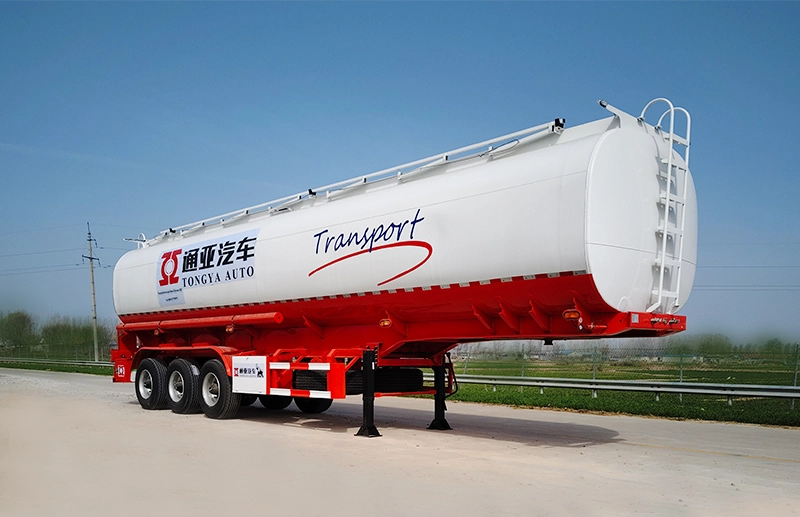
1. Capacity & Tank Volume
For most African businesses:
- 30,000L–40,000L: Ideal for urban fuel distribution and short-haul transport in Southeast Asian and African countries with dense road networks and narrow urban streets.
- 45,000L–60,000L: The most popular choice for long-distance intercity transport and large mining/construction sites across Africa, balancing maximum load capacity and road adaptability.
2. Axle Configuration
For the vast majority of African road conditions, a 3-axle semi fuel tanker is the optimal choice. Compared to 2-axle models, it offers superior load-bearing capacity, better weight distribution, and improved stability on uneven and bumpy roads, reducing tire and chassis wear and lowering long-term maintenance costs. 4-axle models are only recommended for extra-heavy load transport in regions with well-maintained highways.
3. Tank Material
Two main materials dominate the market, each tailored to different use cases:
- Carbon Steel (Q345): The most cost-effective and widely used option for African markets. It offers exceptional impact resistance and durability for harsh road conditions, ideal for transporting diesel and low-corrosion fuels. With a standard 5mm–6mm tank wall thickness, it delivers a long service life at an accessible price point.
- Aluminum Alloy: A lightweight, corrosion-resistant option for high-end operations. It reduces the trailer’s tare weight, allowing for higher fuel payloads and better fuel efficiency for the tractor unit. It is ideal for transporting gasoline and high-corrosion fuels, with a service life 5–10 years longer than carbon steel models.
4. Safety & Compliance Certifications
For smooth customs clearance and legal operation in African countries, your semi fuel tanker must meet ADR international hazardous material transport standards, with complete certification documentation. Mandatory safety features include emergency shut-off valves, anti-overflow systems, explosion-proof manhole covers, anti-static grounding systems, and ABS anti-lock braking systems.
Why Choose Tongya Trailers as Your Semi Fuel Tanker Manufacturer?
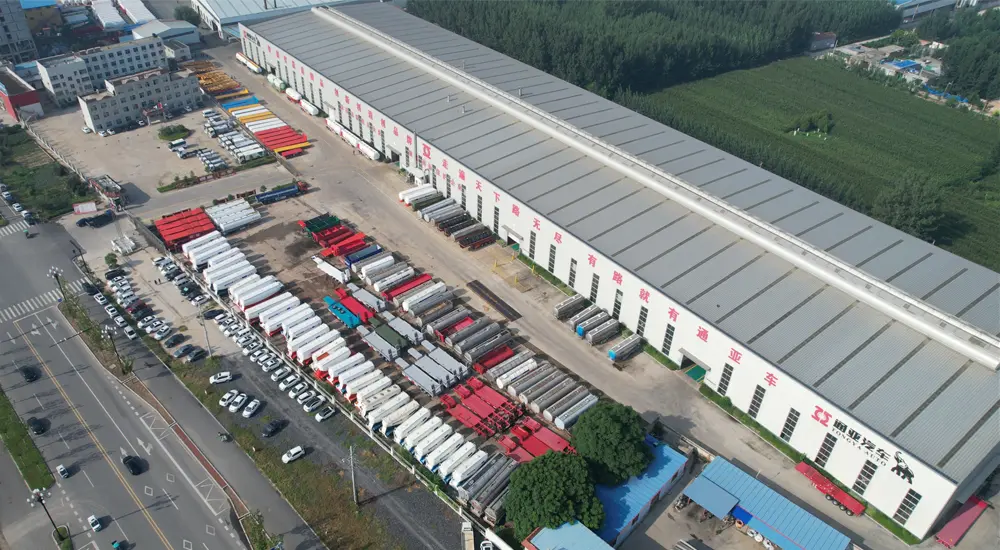
As one of China’s leading and government-authorized semi-trailer manufacturers, Tongya Trailers has over 20 years of experience designing and producing semi fuel tankers tailored to the African market. We are a designated enterprise approved by the National Development and Reform Commission of China, with a full set of international certifications including ADR, ISO, CCC, and WIPO, and our semi fuel tankers have been exported to and widely used in Nigeria, Kenya, Ghana, Tanzania, and more than 30 other countries across Africa and Southeast Asia.
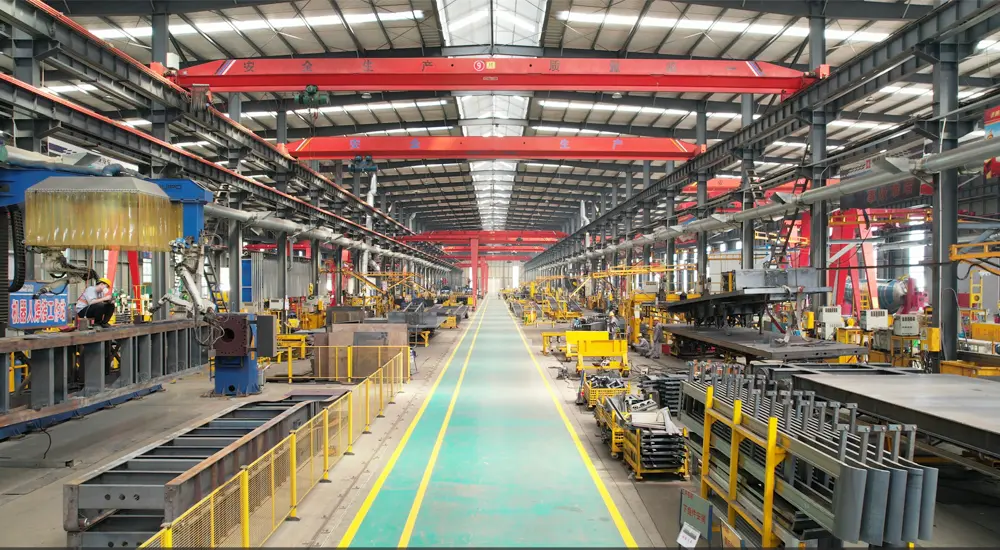
Here’s what makes Tongya Trailers the top choice for African semi fuel tanker buyers:
- Africa-Tailored Custom Design Every Tongya semi fuel tanker is engineered specifically for African road conditions, with a reinforced heavy-duty chassis, thicker tank walls, and upgraded suspension systems to handle unpaved roads and long-distance transport. We offer full customization of tank capacity (30,000L–60,000L), compartment numbers (1–7), axle configuration, and pumping systems to match your exact transport needs.
- Uncompromising Manufacturing Quality We use fully automatic welding technology for the tank body, ensuring seamless welds that eliminate leakage, cracking, and deformation even in harsh operating conditions. Our advanced one-time tank rolling process removes stress concentration, while our 3-layer polyurethane paint system provides superior corrosion resistance, with no repainting needed for up to 10 years. Every semi fuel tanker undergoes strict air pressure leak testing and quality inspection before delivery.
- Full Compliance & Export Support All Tongya semi fuel tankers meet ADR and international hazardous material transport standards, with complete certification documentation to ensure smooth customs clearance in African countries. Our professional export team provides one-stop service, including shipping, customs clearance, documentation, and technical guidance, eliminating the hassle of cross-border procurement for our customers.
- Competitive Factory-Direct Pricing As a direct original manufacturer with no middlemen, we offer our semi fuel tankers at factory-direct prices, saving African buyers 15%–20% on procurement costs compared to European and American brands, with no compromise on quality. Our large-scale production capacity allows us to offer stable pricing and fast delivery times, even for bulk orders.
- Long-Term After-Sales Support We provide a full 12-month warranty for every semi fuel tanker, with a permanent supply of original spare parts and 24/7 online technical support. Our local service partners in key African markets offer on-site maintenance and repair services, ensuring your fleet operates with minimal downtime.
Critical Safety & Maintenance Tips for Semi Fuel Tanker in Harsh Conditions
To ensure the long-term safe operation of your semi fuel tanker in Africa’s harsh climate and road conditions, follow these essential maintenance and safety guidelines:
- Pre-Trip Safety Inspections Before every trip, inspect the tank body for leaks or damage, verify that all valves (emergency shut-off, discharge, breathing valves) are functioning properly, check tire pressure and tread condition, and confirm that the anti-static grounding system is intact. Never operate the vehicle with faulty safety components.
- Regular Tank Cleaning & Maintenance Maintain a consistent tank cleaning schedule to prevent fuel residue buildup and corrosion, especially if transporting multiple fuel types. Clean the sump gaskets and valve seals every 6 months (or before every product change for multi-fuel transport) to prevent cross-contamination and leaks.
- Chassis & Brake System Care Inspect the suspension, axles, and air brake system monthly, and replace worn brake pads and tires promptly to ensure stable handling and braking on African roads. For vehicles operating on unpaved roads, increase the frequency of chassis inspections to check for cracks or weld damage.
- Valve & Safety Component Servicing Lubricate all valves regularly to prevent freezing and malfunction, especially in extreme temperature conditions. Inspect pressure gauges, overfill sensors, and emergency shut-off systems every 3 months to ensure they meet safety standards, and replace any worn or damaged components immediately.
Conclusion
A reliable, high-performance semi fuel tanker is the foundation of a successful bulk fuel transport business in Africa. It not only improves your transport efficiency and reduces operational costs but also ensures the safe, compliant delivery of fuel across even the most challenging road conditions.
As a professional China semi fuel tanker manufacturer with decades of export experience to Africa, Tongya Trailers is committed to providing African buyers with durable, compliant, and cost-effective semi fuel tankers, customized to your exact transport needs. Whether you need a standard 3-axle 45,000L model or a fully customized multi-compartment fuel tank trailer, we have the expertise and production capacity to deliver the perfect solution for your business.
Contact our team today via WhatsApp or our website inquiry form to get a free quote, detailed product specifications, and expert guidance for your semi fuel tanker procurement. Our professional team will respond to you within 24 hours.