
When specifying equipment for liquid transport, few factors are as critical as tractor trailer fuel tank capacity. This is not merely a number on a spec sheet; it is a fundamental variable that directly influences operational efficiency, route planning, profitability, and regulatory compliance. For logistics managers and fleet owners, a deep understanding of capacity and its related engineering is essential for making an informed investment.
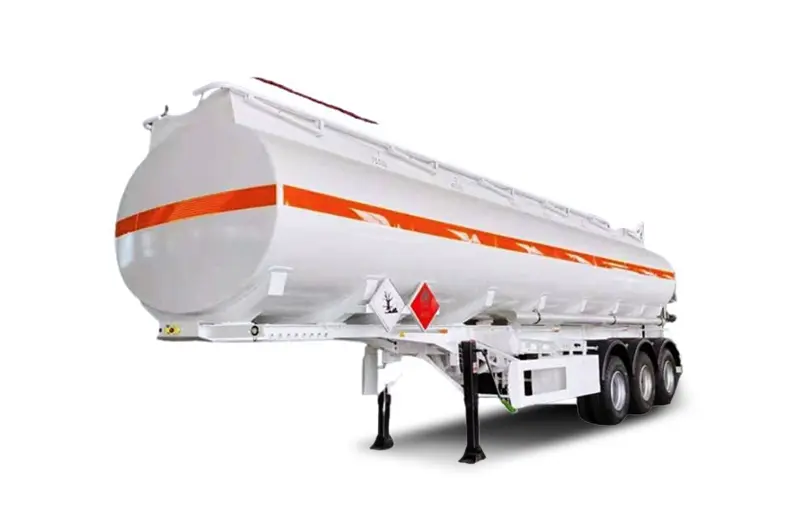
The Capacity Spectrum: From Regional Hauls to Long-Distance Logistics
The tractor trailer fuel tank capacity is not a one-size-fits-all metric. Modern fuel tanker trailer manufacturers typically offer a versatile range to suit diverse applications. Capacities can span from approximately 20,000 liters for more regional or specialized deliveries to robust 50,000-liter units designed for high-volume, long-distance transport. Selecting the correct volume is the first and most crucial step in optimizing your fleet’s performance.
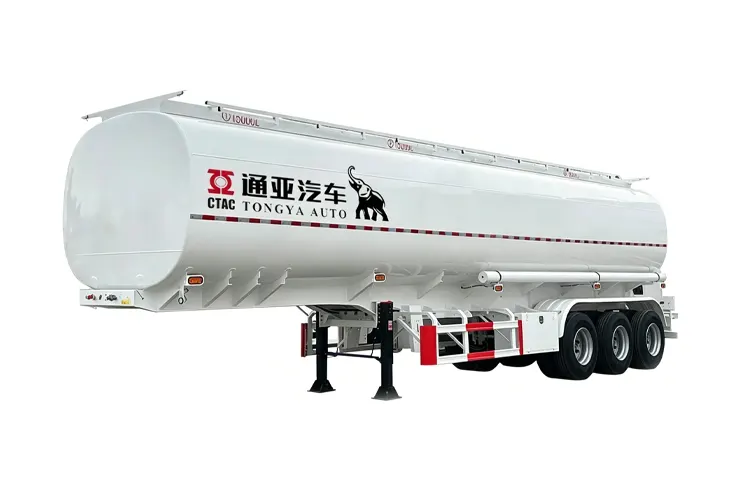
45000L 3 Axle Oil Tanker Semi Trailer For Sale
Tongya 45000L 3 axle oil tanker semi trailer features 3-compartment design, reinforced steel tank and WABCO braking system. Ideal for bulk fuel transport across…
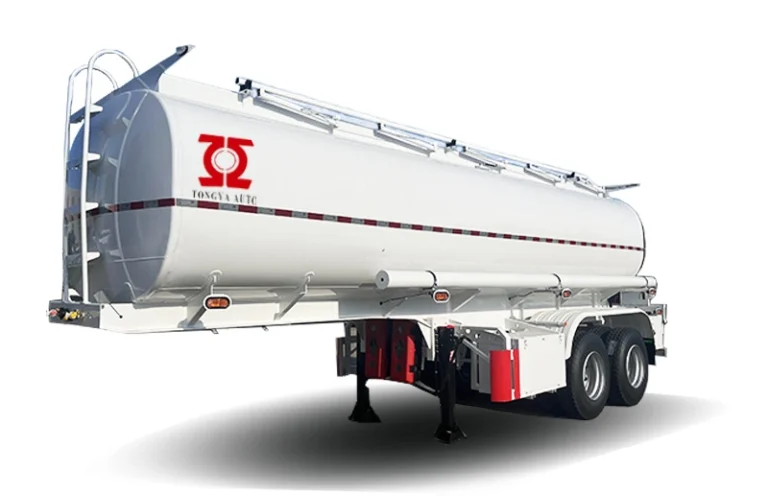
30000L Crude Oil Tanker Trailer
Explore the 30000L crude oil tanker trailer from Tongya. Featuring 2-axle design, durable carbon steel tank, and reliable safety systems for crude oil transport….
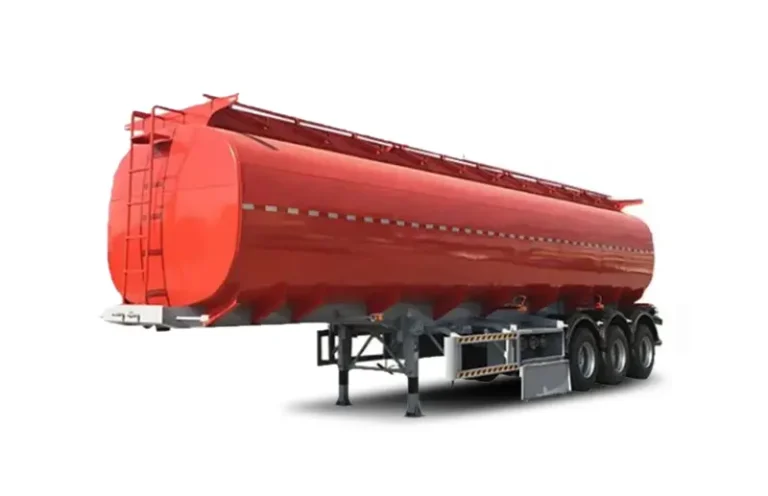
40000L-55000L Crude Oil Tank Trailer for Bulk Petroleum Transport
Tongya crude oil tank trailer features 40T load capacity, multi-compartment design and heavy-duty structure. Ideal for safe and efficient crude oil transport across Africa…
More Than Just Volume: Engineering and Safety Behind Capacity
The designated capacity of a trailer is intrinsically linked to its construction and safety features. A larger tank requires a more robust design to handle the immense dynamic forces of a sloshing liquid load. This is why high-capacity tanks are built with high-tensile strength materials like carbon steel (Q235) or stainless steel (SS304/SS316L), with shell thicknesses often starting at 5mm or 6mm.
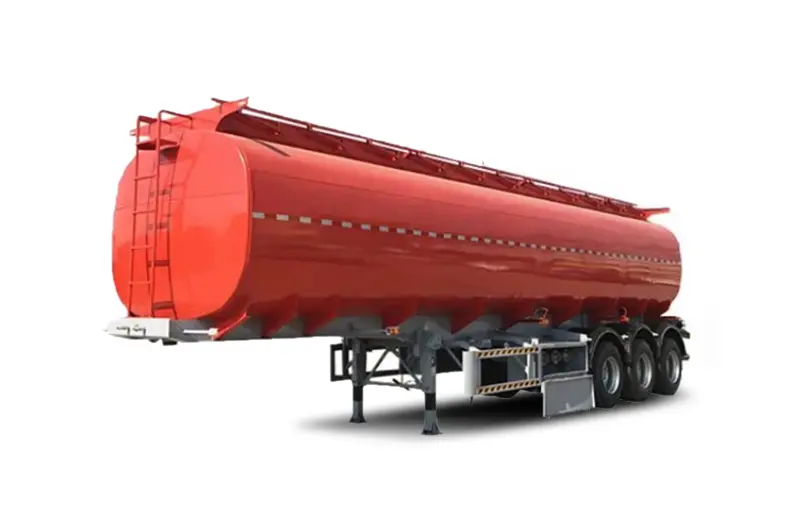
Furthermore, the internal structure is paramount. To ensure stability and safety, tanks are equipped with multiple anti-wave baffles. These plates compartmentalize the liquid, significantly reducing surge during braking and cornering. This engineering is non-negotiable for a safe and stable fuel tanker trailer, protecting both the driver and the asset. Compliance with international standards, such as ISO tank container specifications, is a baseline for reputable manufacturers, ensuring structural integrity and safety protocols are met.
Integrating Capacity into Your Purchasing Decision
Any comprehensive Fuel Tank Trailer Buying Guide will emphasize that capacity choice must align with your business’s operational reality. Key considerations include:
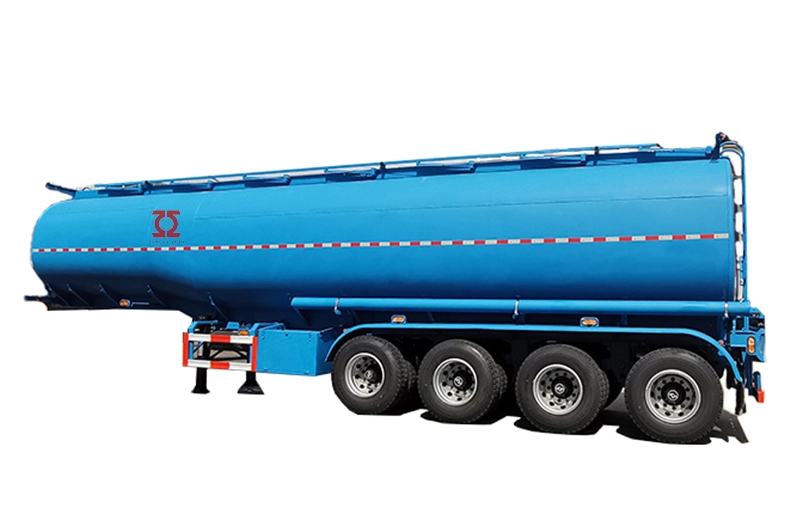
- Payload and Regulations: Ensure your chosen capacity aligns with local gross vehicle weight (GVW) regulations to avoid overloading.
- Route Efficiency: A larger tank reduces the frequency of refueling stops for your own fleet or allows for delivering more product per trip to customers.
- Product Specificity: The material of the tank (e.g., stainless steel) may be mandated for certain fuels or chemicals, which can also influence the design and cost of a specific capacity.
In conclusion, tractor trailer fuel tank capacity is a complex topic that sits at the intersection of engineering, logistics, and finance. It is the cornerstone around which a safe, efficient, and profitable operation is built. By carefully evaluating your needs against the engineering specifications, you can select the ideal trailer that delivers maximum value for years to come.